☀LightFull sun to part shade
Atlanta planting calendar
When to plant
Mid-August: wait until late fall or winter for the easiest outdoor start. Scarify the hard seed coat just before sowing, then let winter provide a short cold period. For spring sowing, scarify first and give the seed about 10–30 days of cold, moist stratification. Holding the dry seed until cooler weather is safer than encouraging tender growth in August.
Research checked against UGA Extension’s fall pollinator guidance, UGA’s Southern herb guide, Iowa State’s perennial seed guide, and University of Maryland’s native-seed guide. Weather varies, so shift spring dates when frost arrives unusually early or late.
How to sow
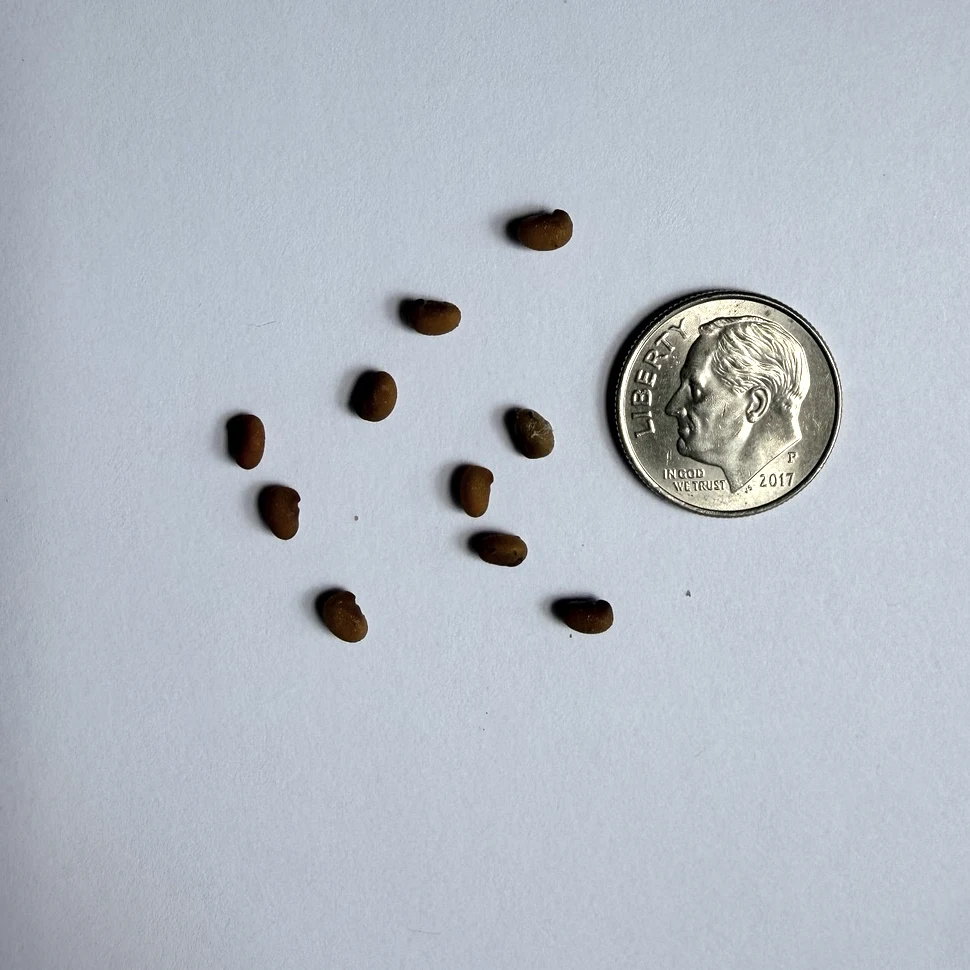
The hard seed coat benefits from scarification. Rub each seed gently with sandpaper or nick it carefully, then soak it in hot water overnight. Sow ¼–½ inch deep. Fall sowing lets winter provide a natural cold period; for spring sowing, a few weeks of cold, moist stratification can improve germination.
How to grow
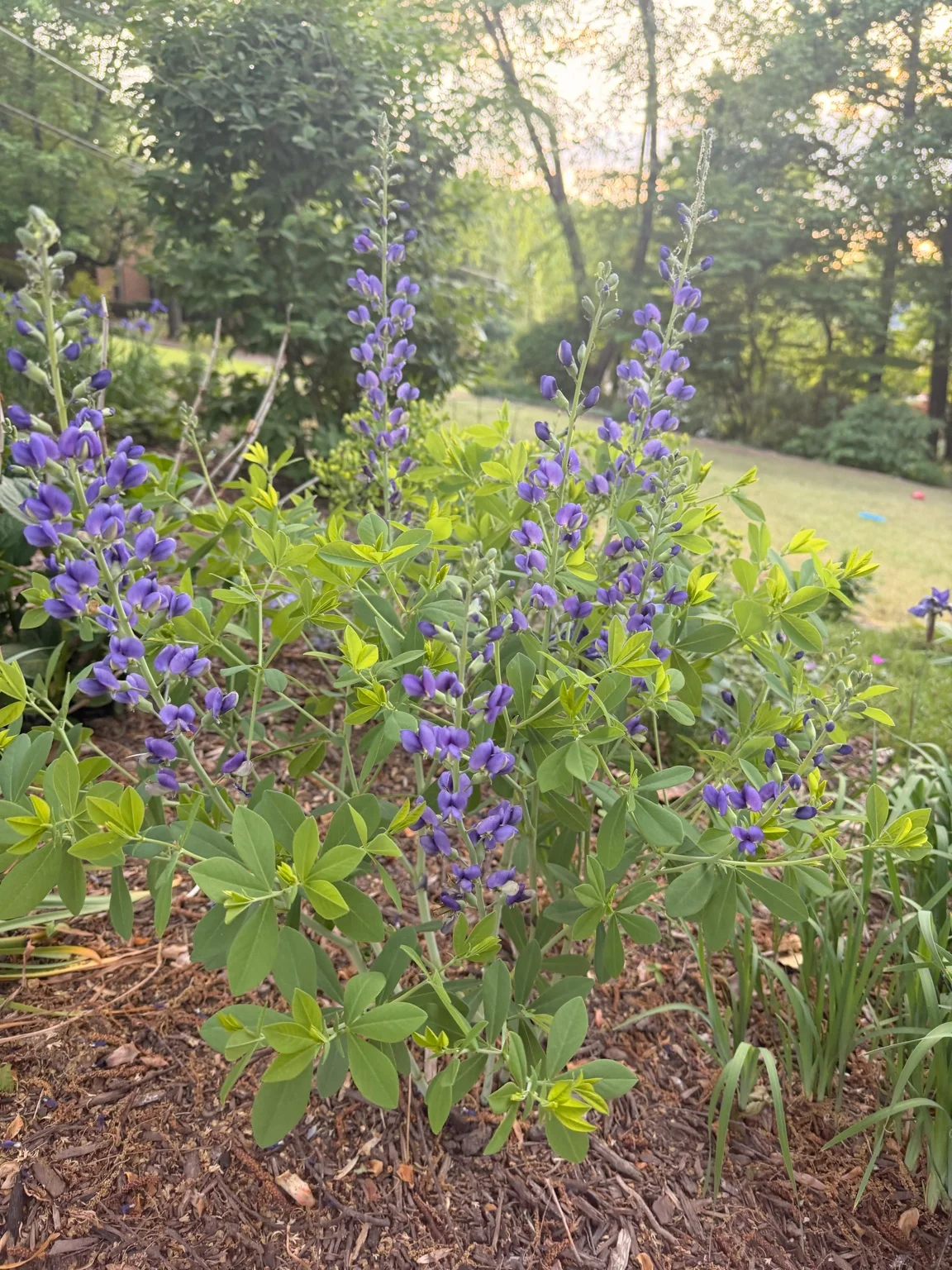
Choose the permanent spot before planting. Baptisia develops a deep taproot and dislikes being moved once established. Give it room to form a rounded 2–3-foot clump. It grows best in sun and average, well-drained soil, and mature plants handle dry spells well.
What to expect
Seedlings take their time during the first few seasons and may need two or three years to flower. These seeds are open-pollinated, so the resulting plants may vary in flower color, form, or other traits—and may not look exactly like the parent plant.
Seed-sharing note
These seeds came from plants growing in my garden. Seedlings are individuals, so they may not look exactly like the parent plant—and that is part of growing from seed.
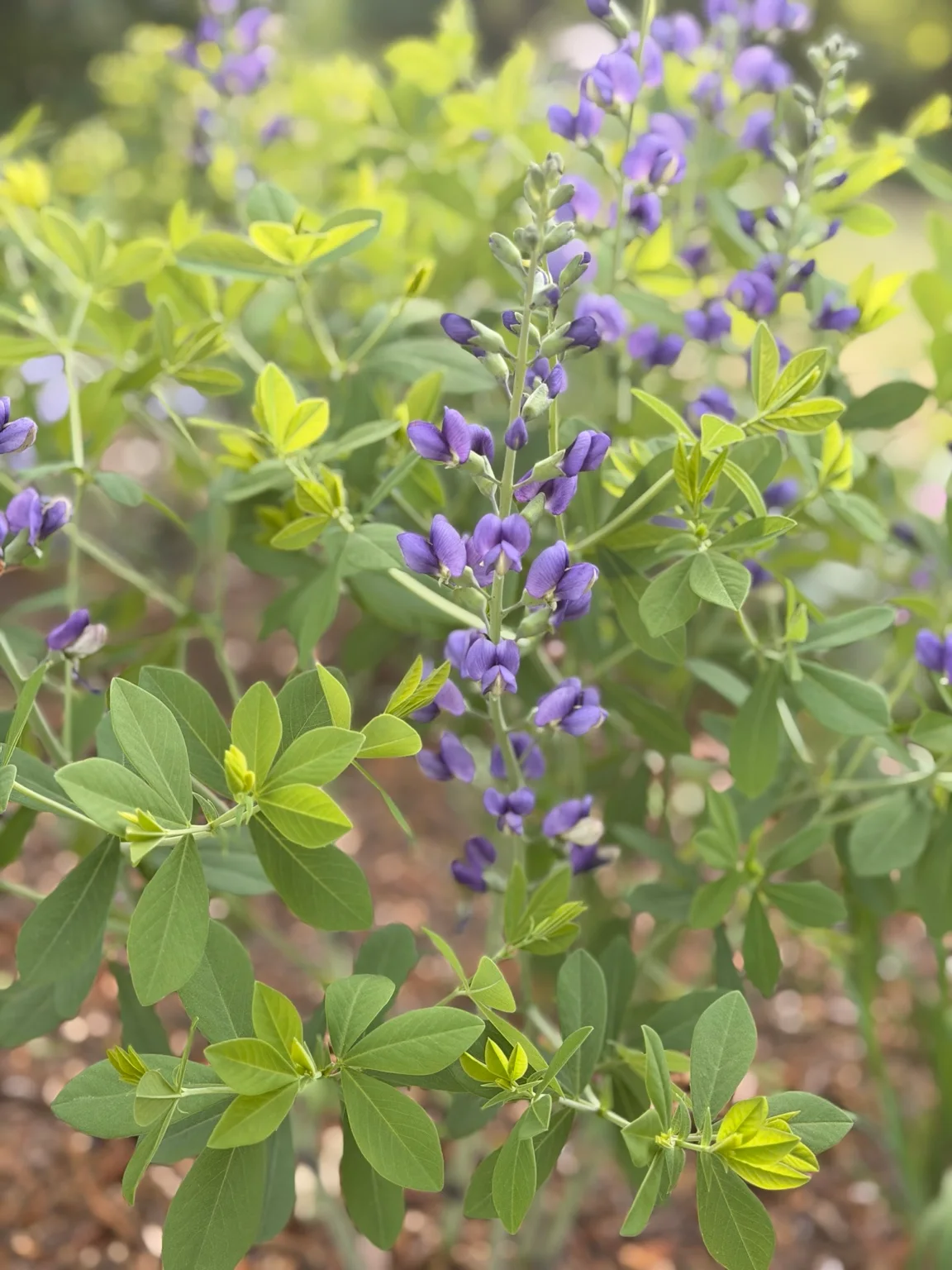
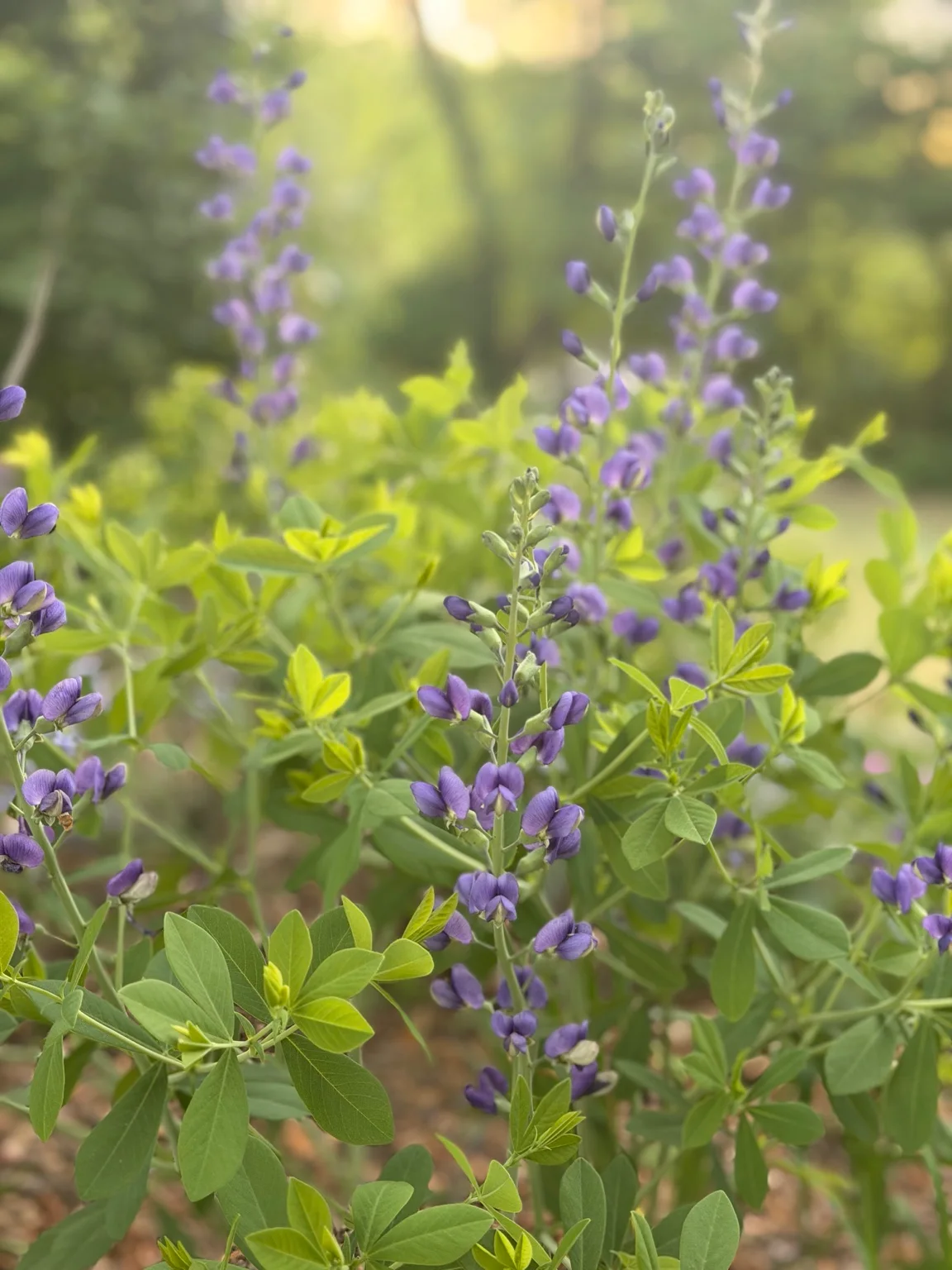
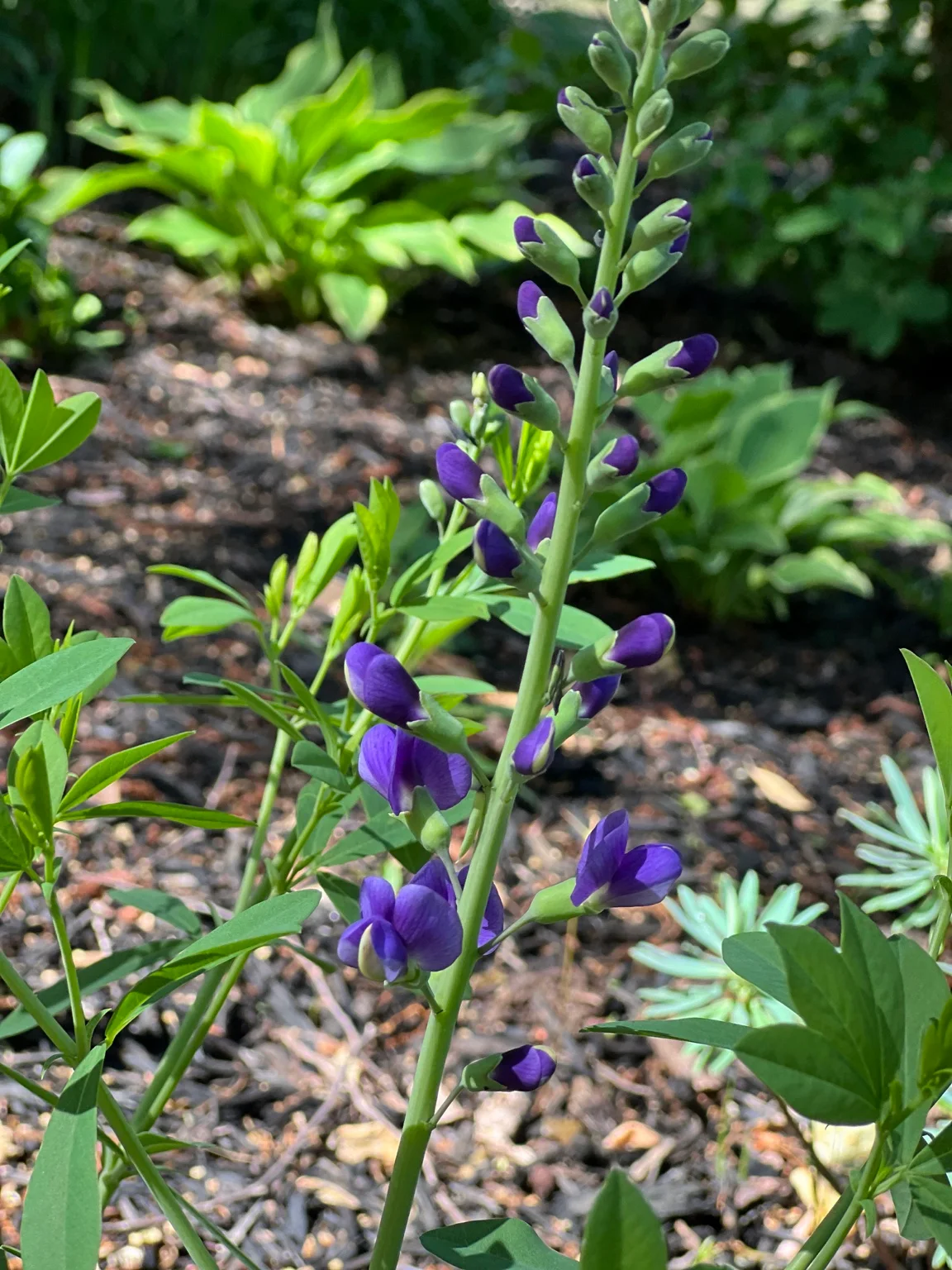
A note from my garden“The spring emergence is half the show. I love watching the sturdy shoots rise, leaf out, and turn into a cloud of purple-blue blooms almost before I know it.”