What’s being shared now
These are the plants and seeds I grow, propagate, and share. You’ll find the basics that have helped me, along with a few notes from my own garden.
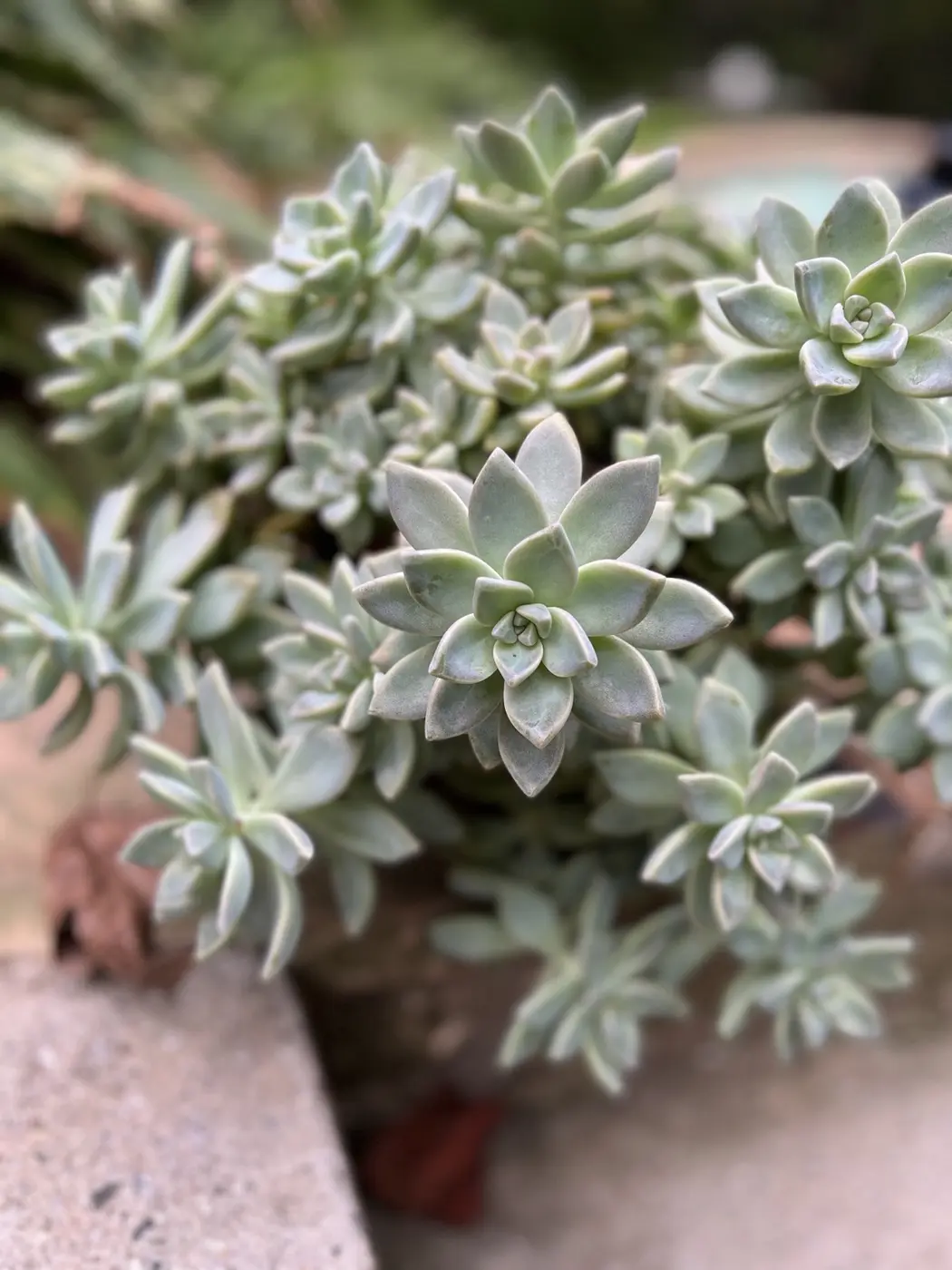
Ghost Plant
Graptopetalum paraguayensePale rosettes, easy propagation, and a graceful trailing habit.
See My Notes →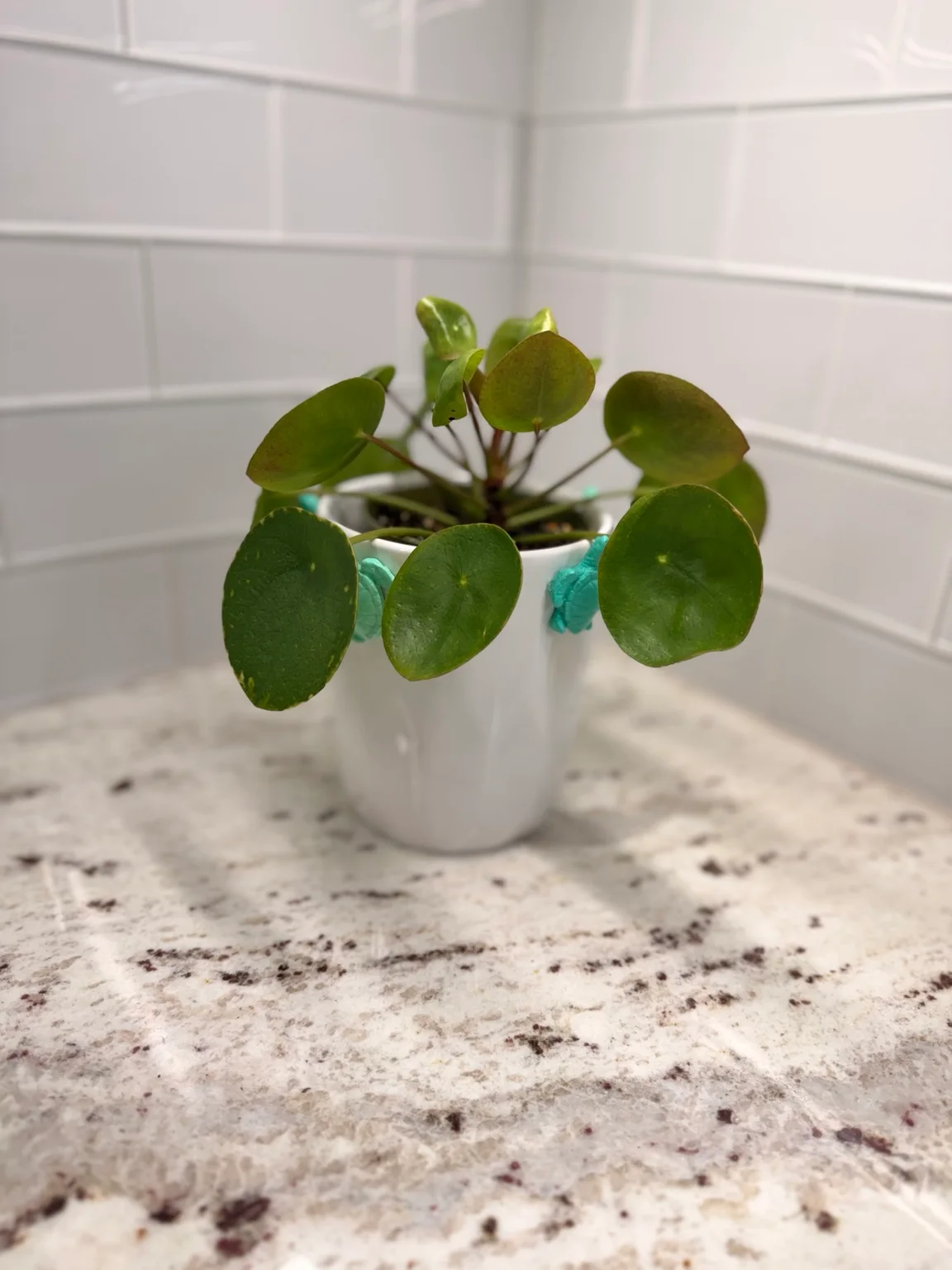
Chinese Money Plant
Pilea peperomioidesCheerful coin-shaped leaves and plenty of pups to pass along.
See My Notes →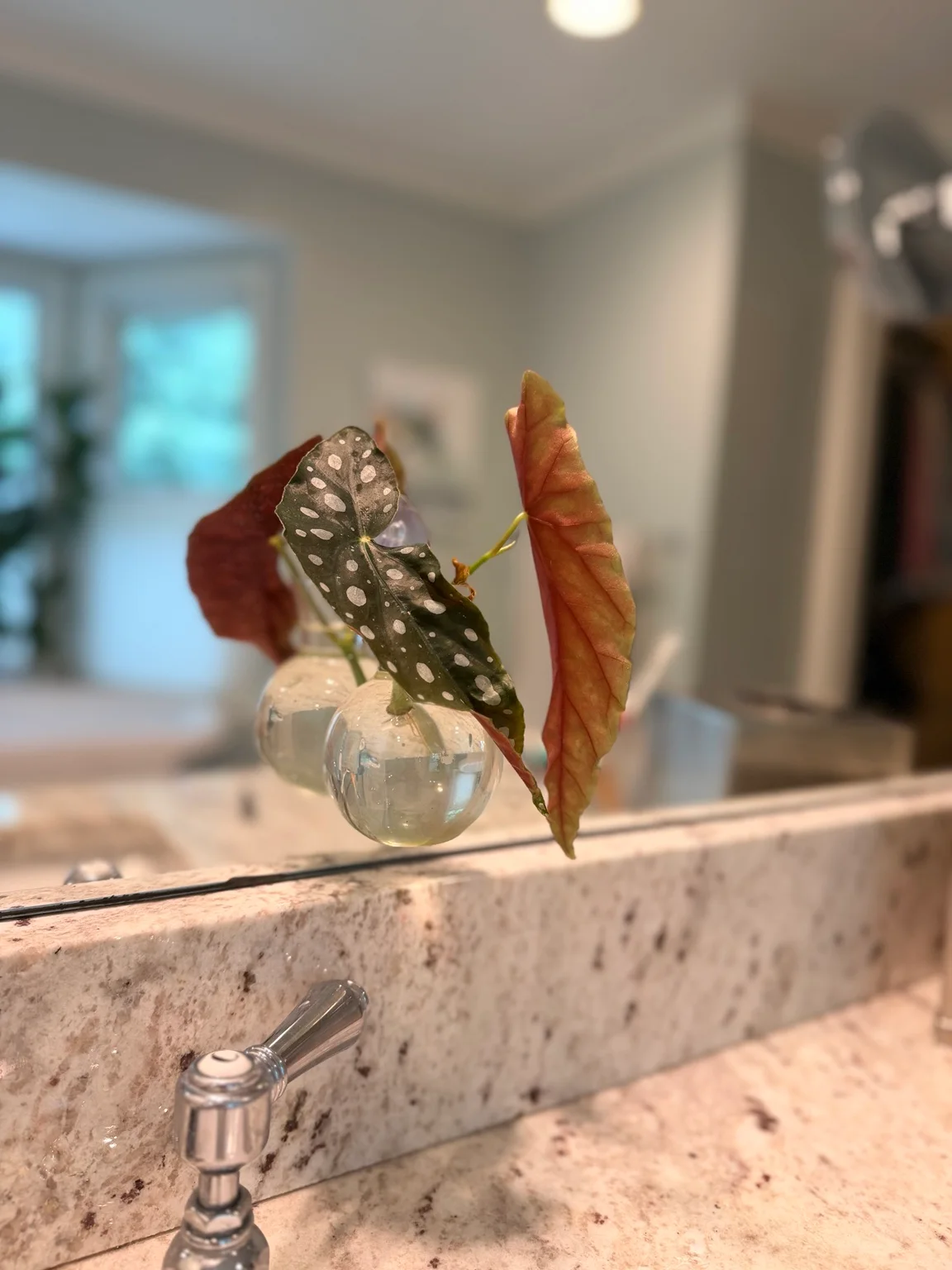
Spotted Begonia
Begonia maculataSilver-spotted leaves, dramatic red backs, and easy-to-root stem cuttings.
See My Notes →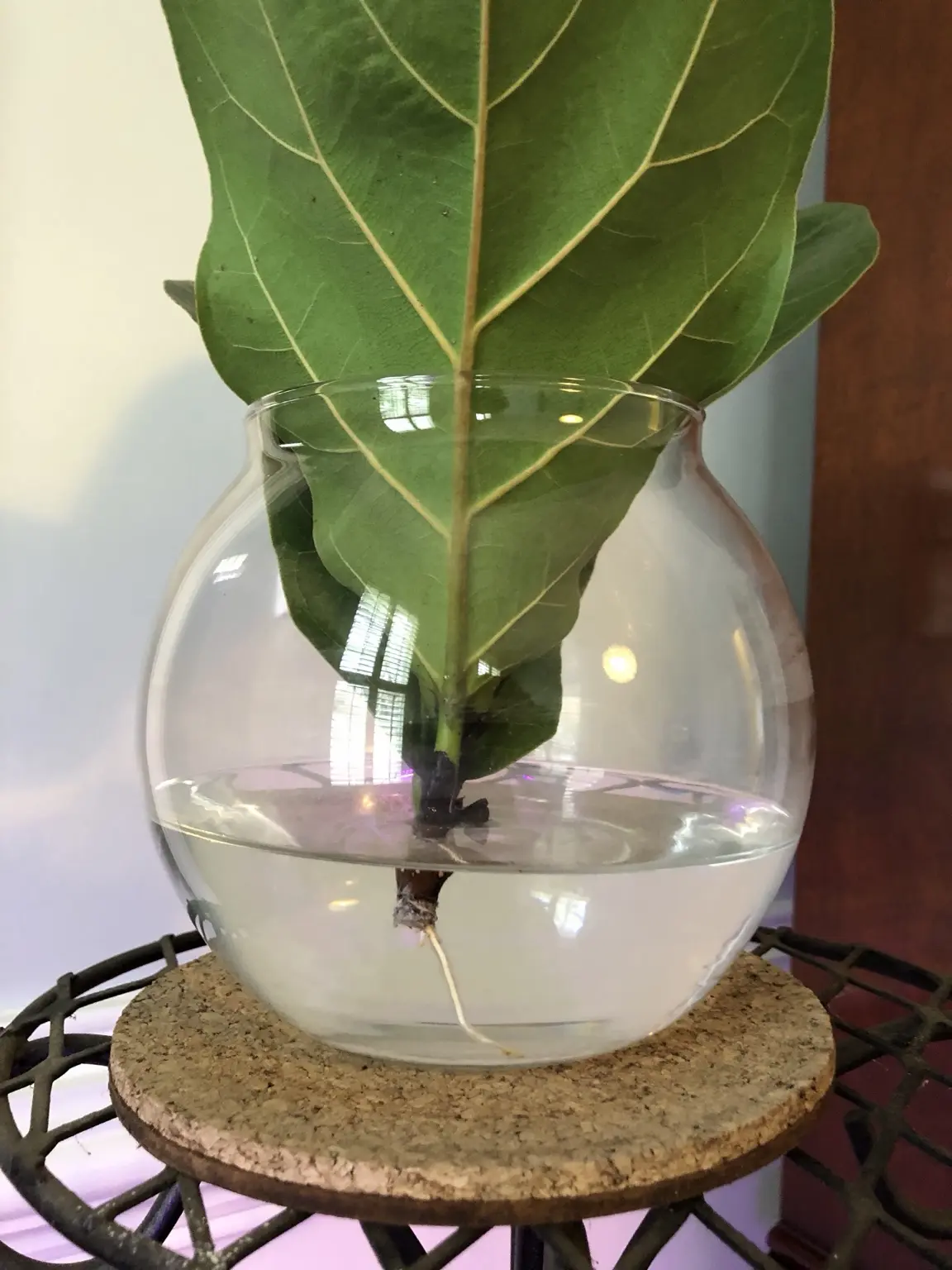
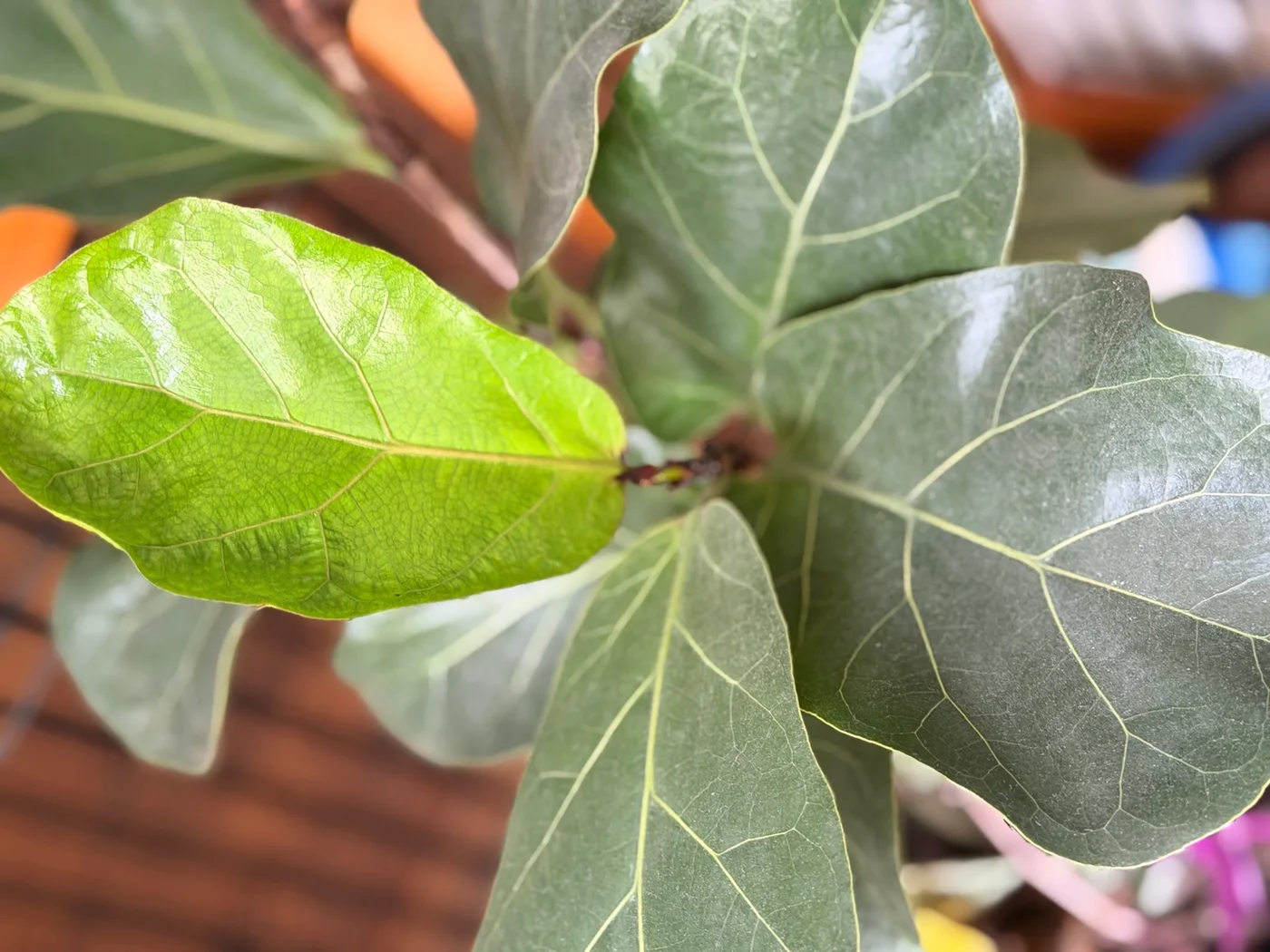
Fiddle Leaf Fig
Ficus lyrataStem cuttings are rooting now and should be ready to share soon.
See My Notes →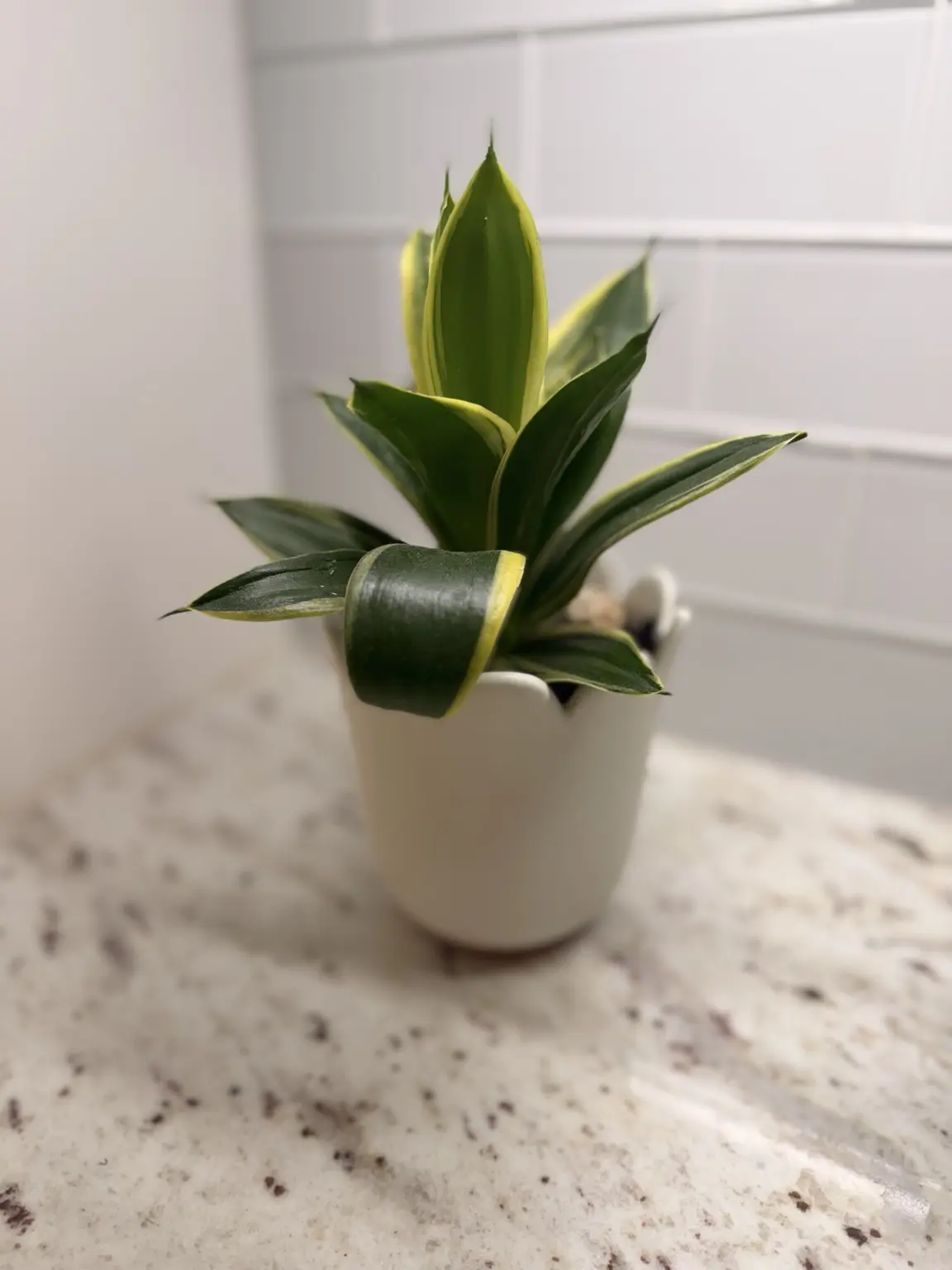
Snake Plant
Dracaena trifasciataA patient, sturdy propagation with upright leaves and forgiving care.
See My Notes →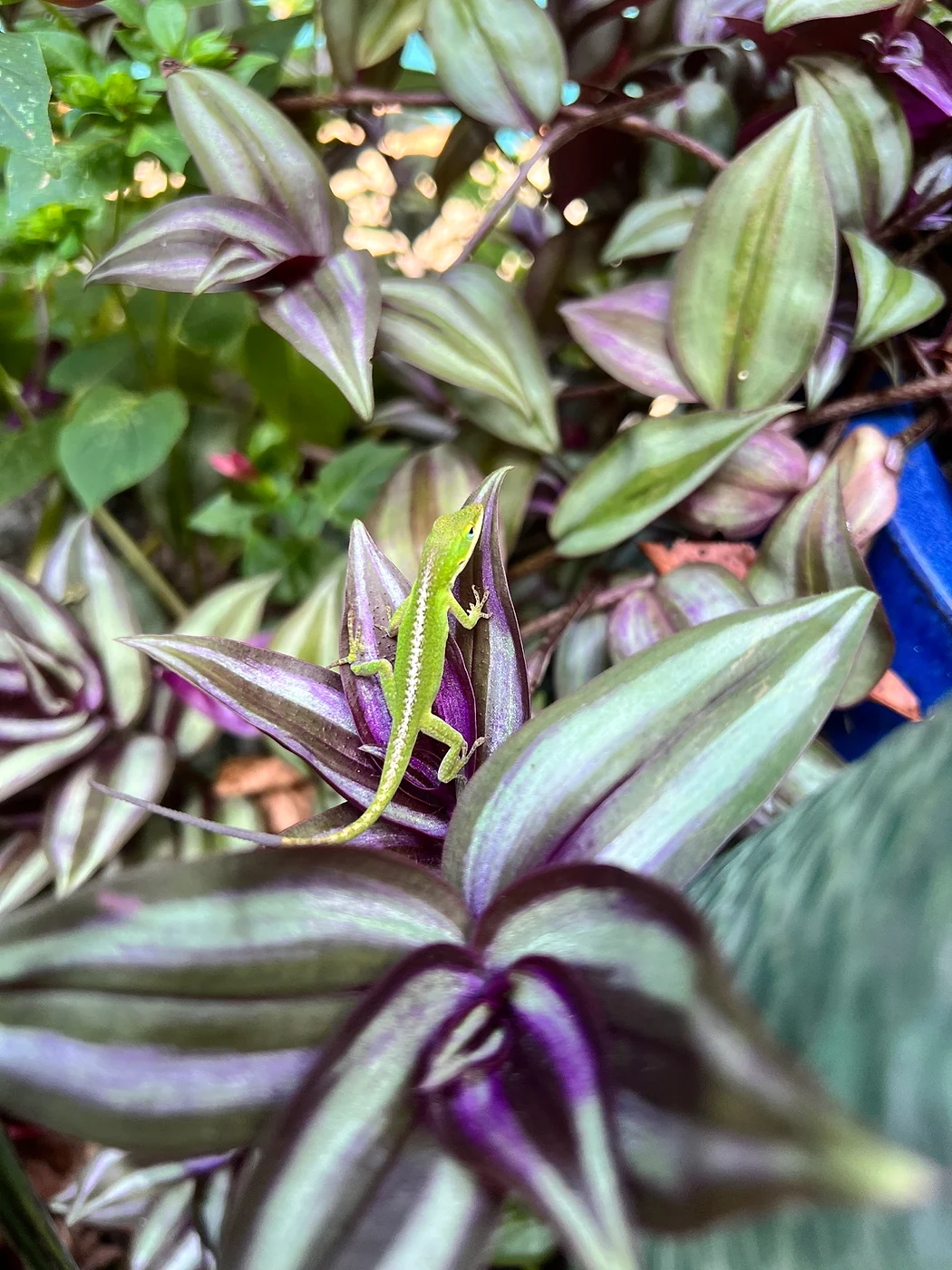
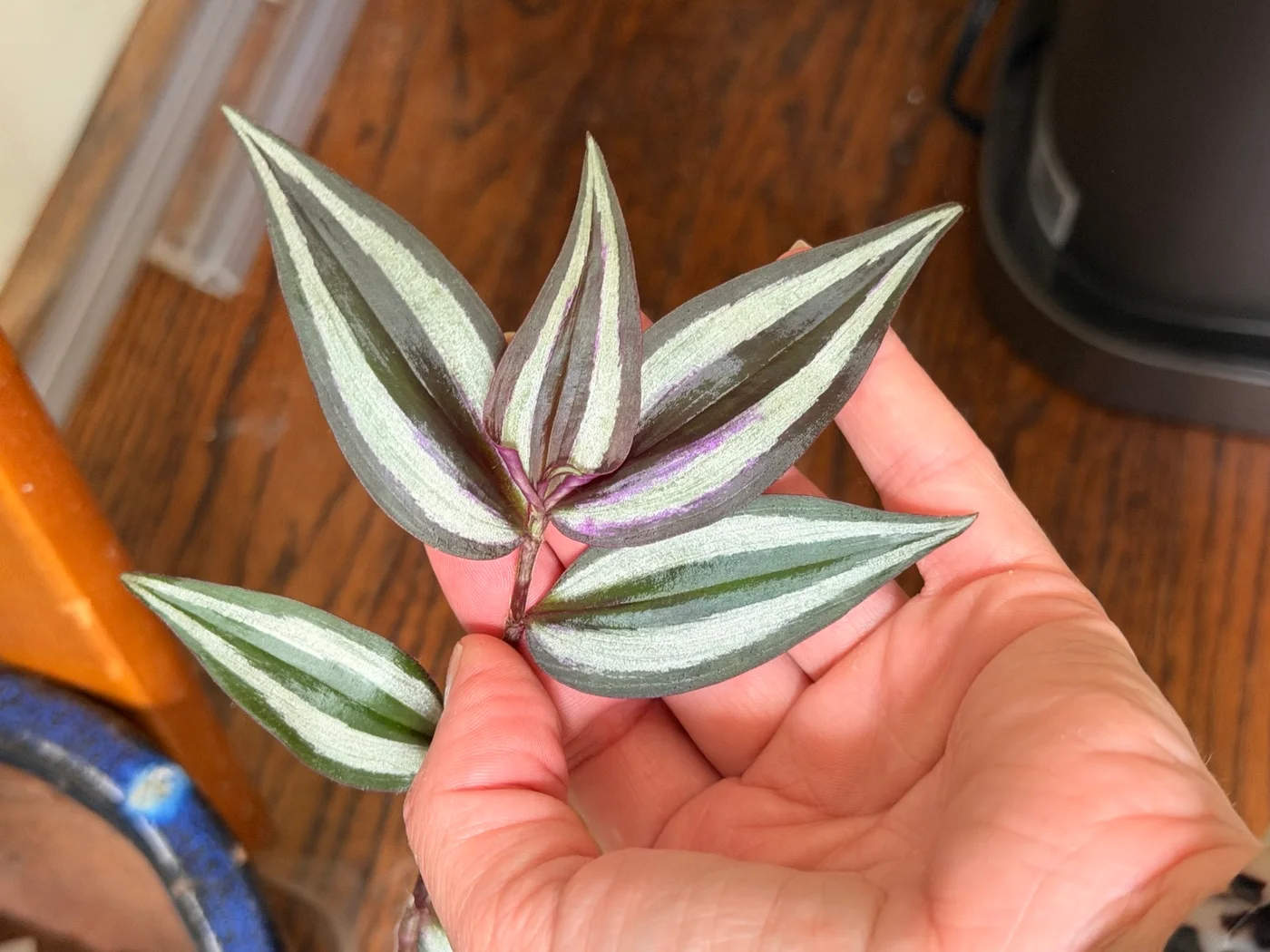
Inch Plant
Tradescantia zebrinaFast-rooting striped cuttings—and the summer home of our green anole friend, Steve.
See My Notes →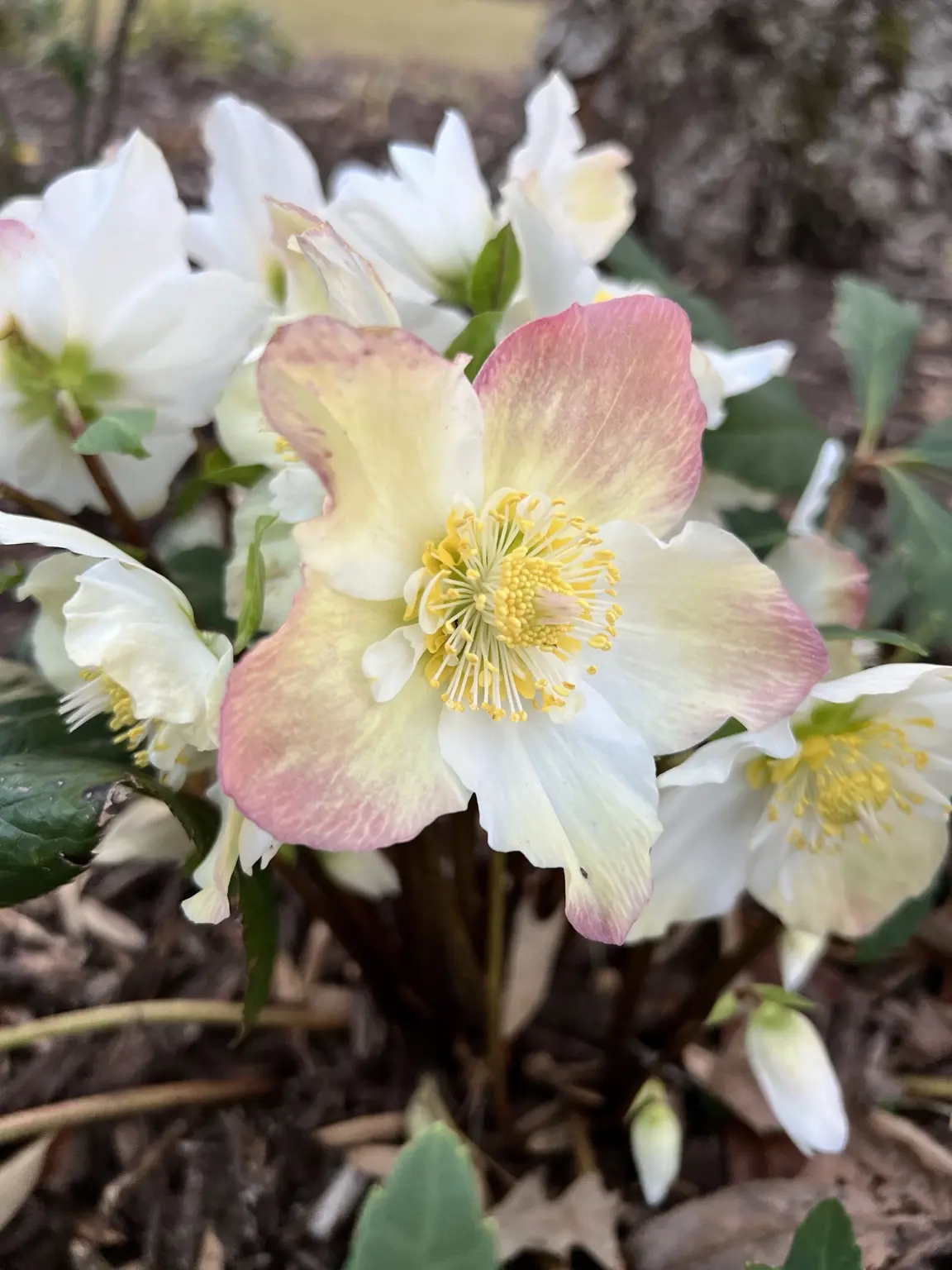
Lenten Rose
Helleborus × hybridaLong-lived, early-blooming shade perennial seedlings with creamy white flowers brushed in pink.
See My Notes →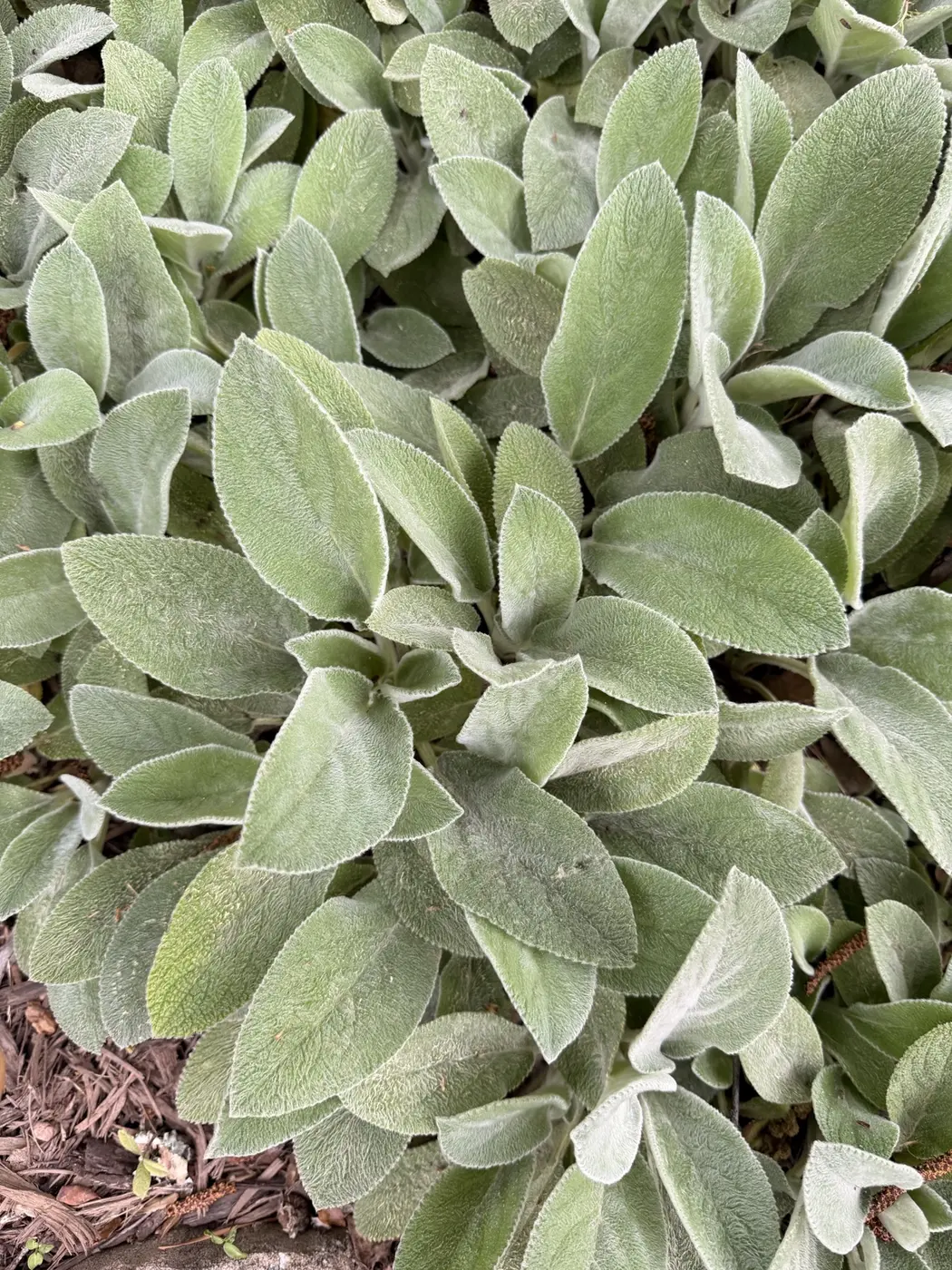
Lamb’s Ear
Stachys byzantinaSoft silver leaves, easy garden divisions, and a spreading groundcover habit.
See My Notes →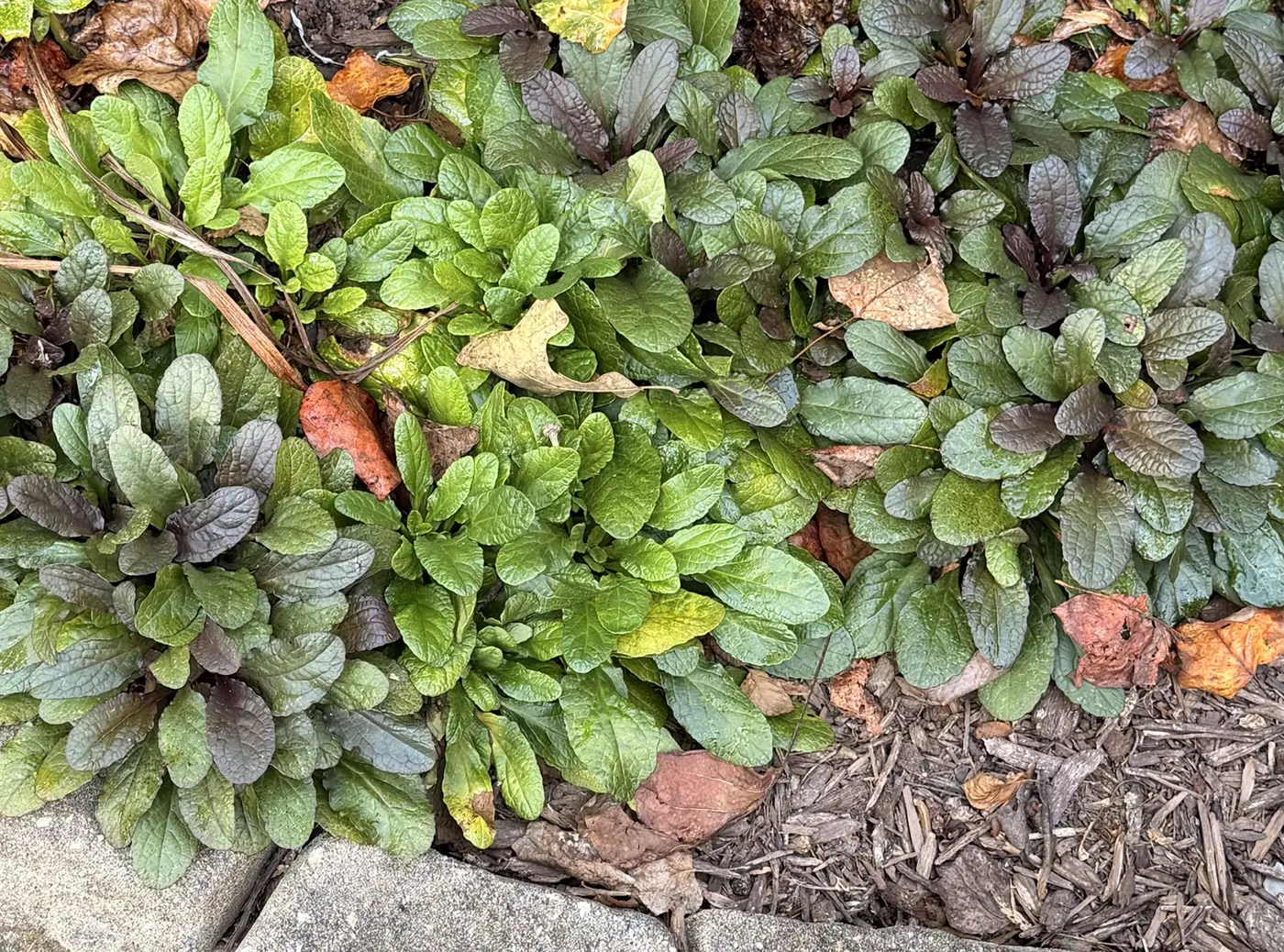
Ajuga / Bugleweed
Ajuga reptansA low, spreading groundcover with colorful foliage and spring flower spikes.
See My Notes →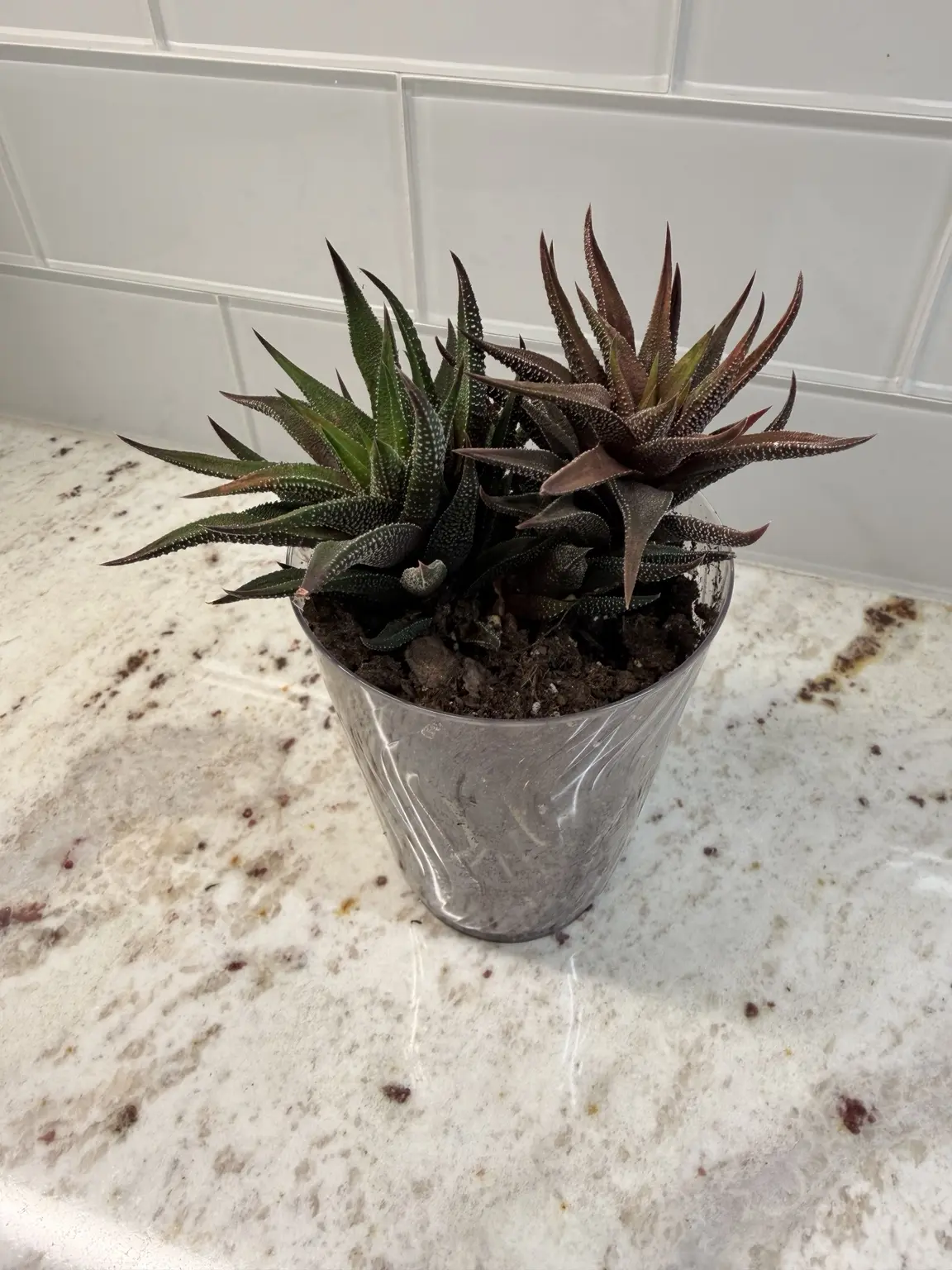
Zebra Haworthia
Haworthiopsis attenuataA compact striped succulent that makes plenty of pups to divide and share.
See My Notes →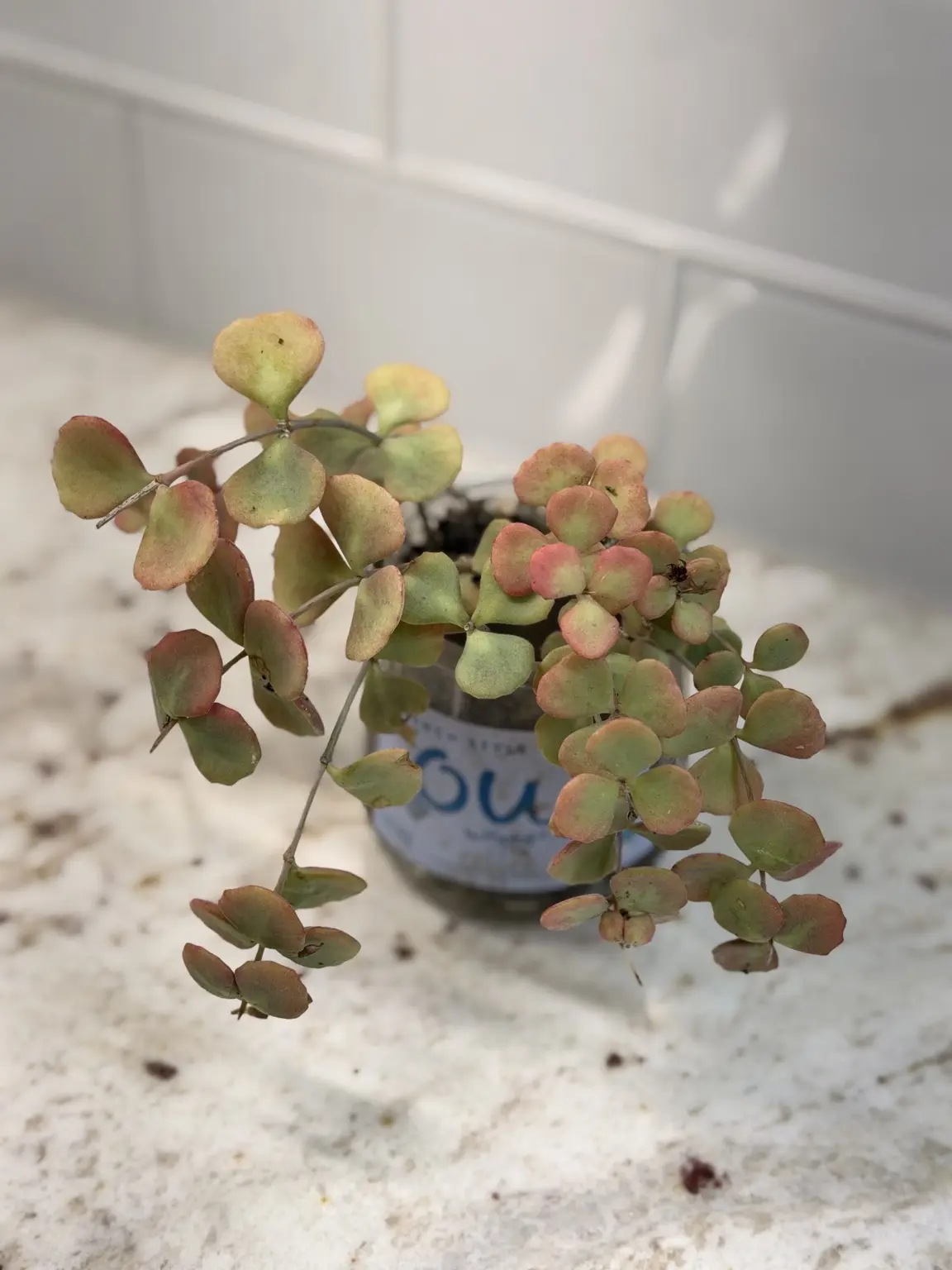
Coral Reef Sedum
Sedum tetractinum 'Coral Reef'A trailing sedum with rounded leaves that blush coral and bronze in brighter light.
See My Notes →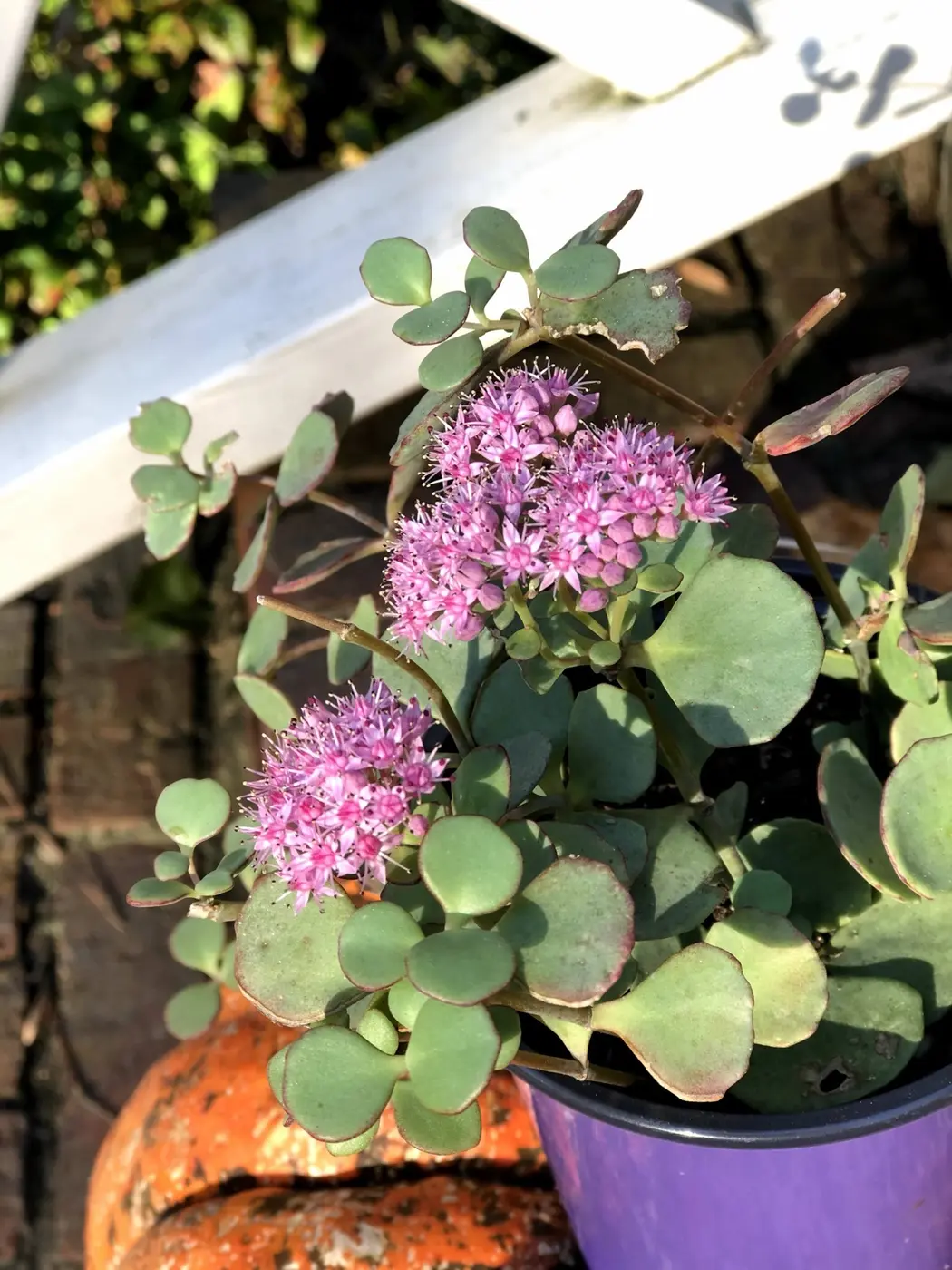
October Daphne Stonecrop
Hylotelephium sieboldiiRound blue-green leaves, arching stems, and clusters of vivid pink fall flowers.
See My Notes →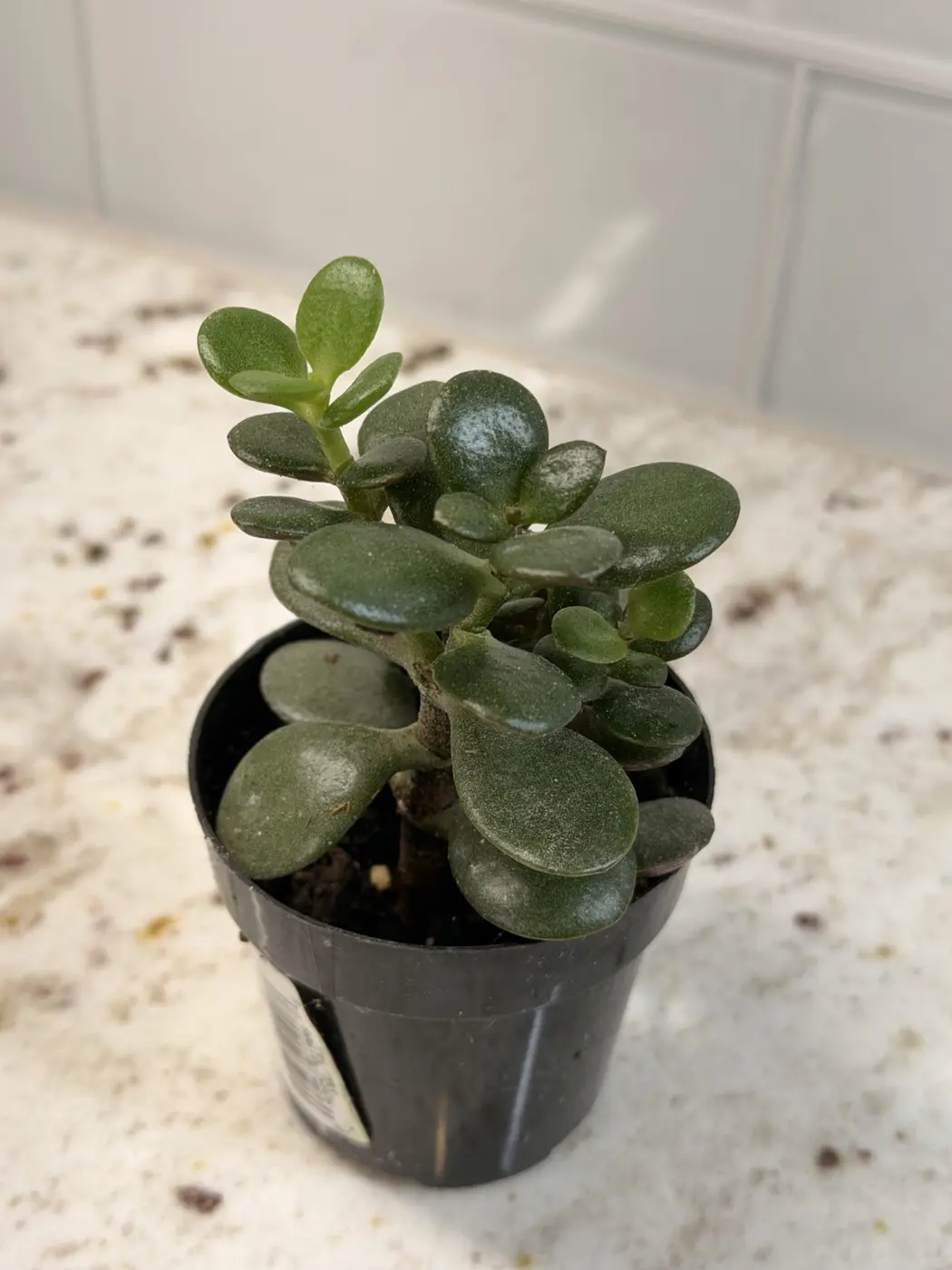
Jade Plant
Crassula ovataA sturdy, long-lived succulent with glossy leaves and easy-to-root cuttings.
See My Notes →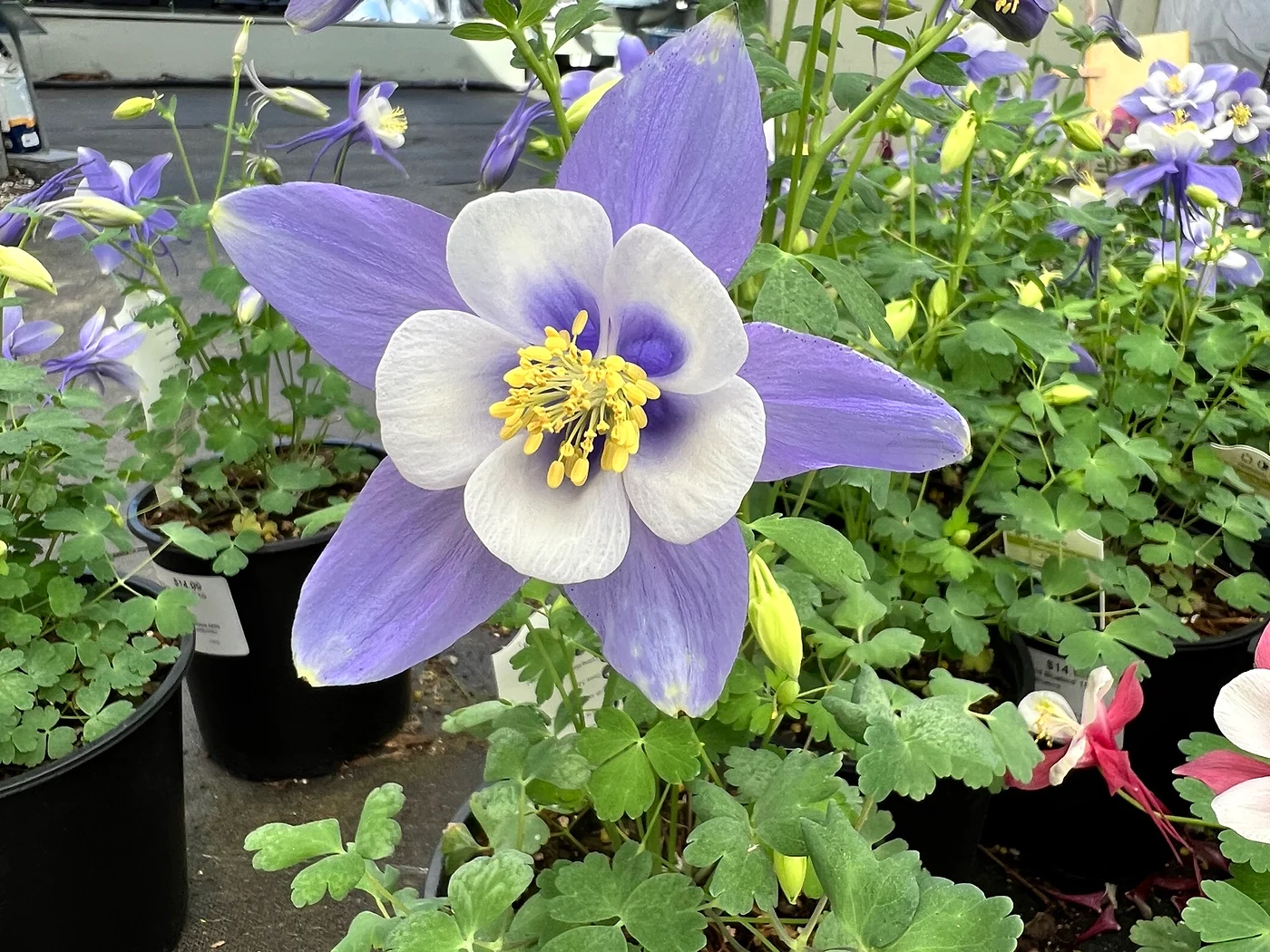
Purple Columbine
Aquilegia × hybridaThis Columbine began with a lavender-and-white flower, then returned in its second year with solid deep-purple blooms. In my garden, its seedlings have also come up solid purple. Its lacy foliage and nodding spring flowers bring an airy softness to lightly shaded beds.
See My Notes →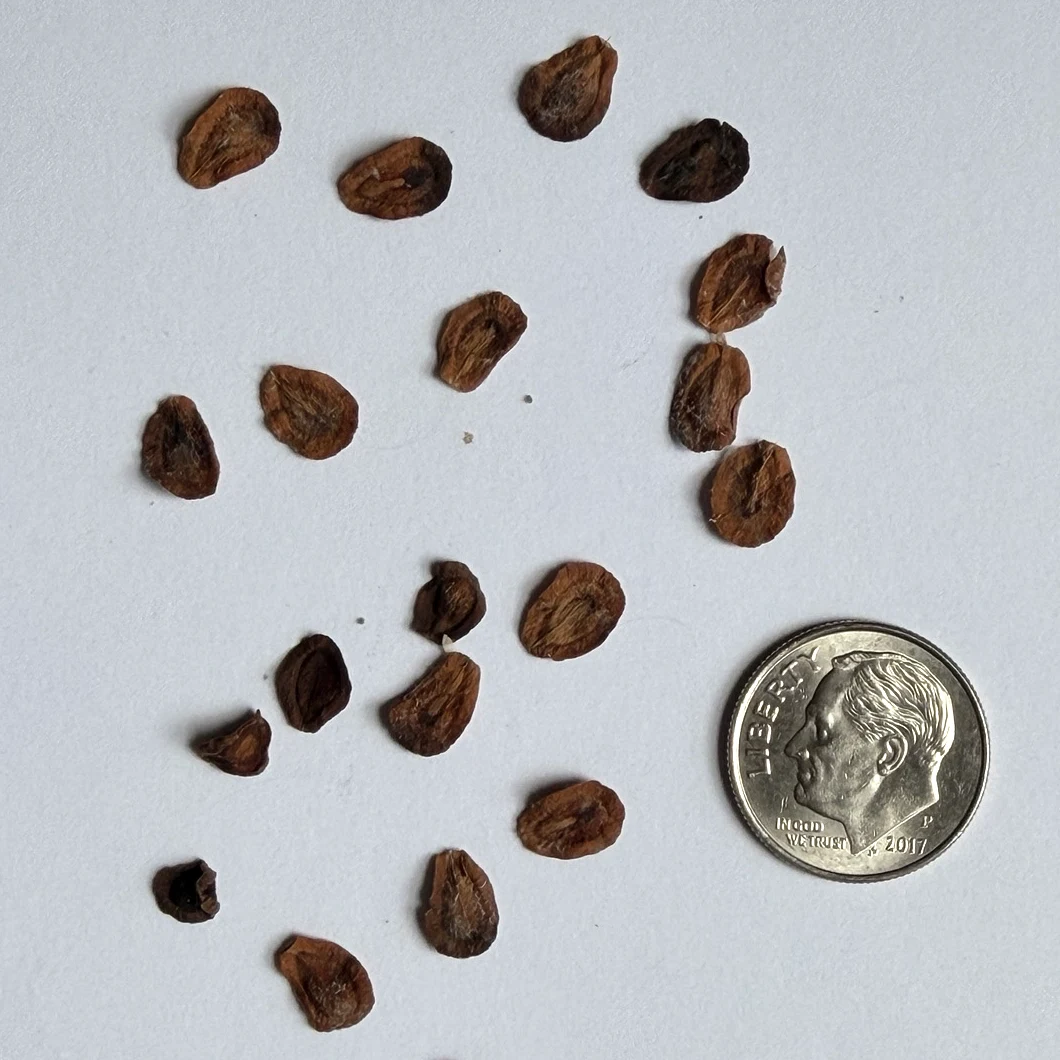
Common Milkweed
Asclepias syriacaCommon Milkweed is a sturdy native perennial with fragrant pink flower clusters and broad leaves that feed monarch caterpillars. It is generous in every way—including its habit of spreading into a colony once established.
See My Notes →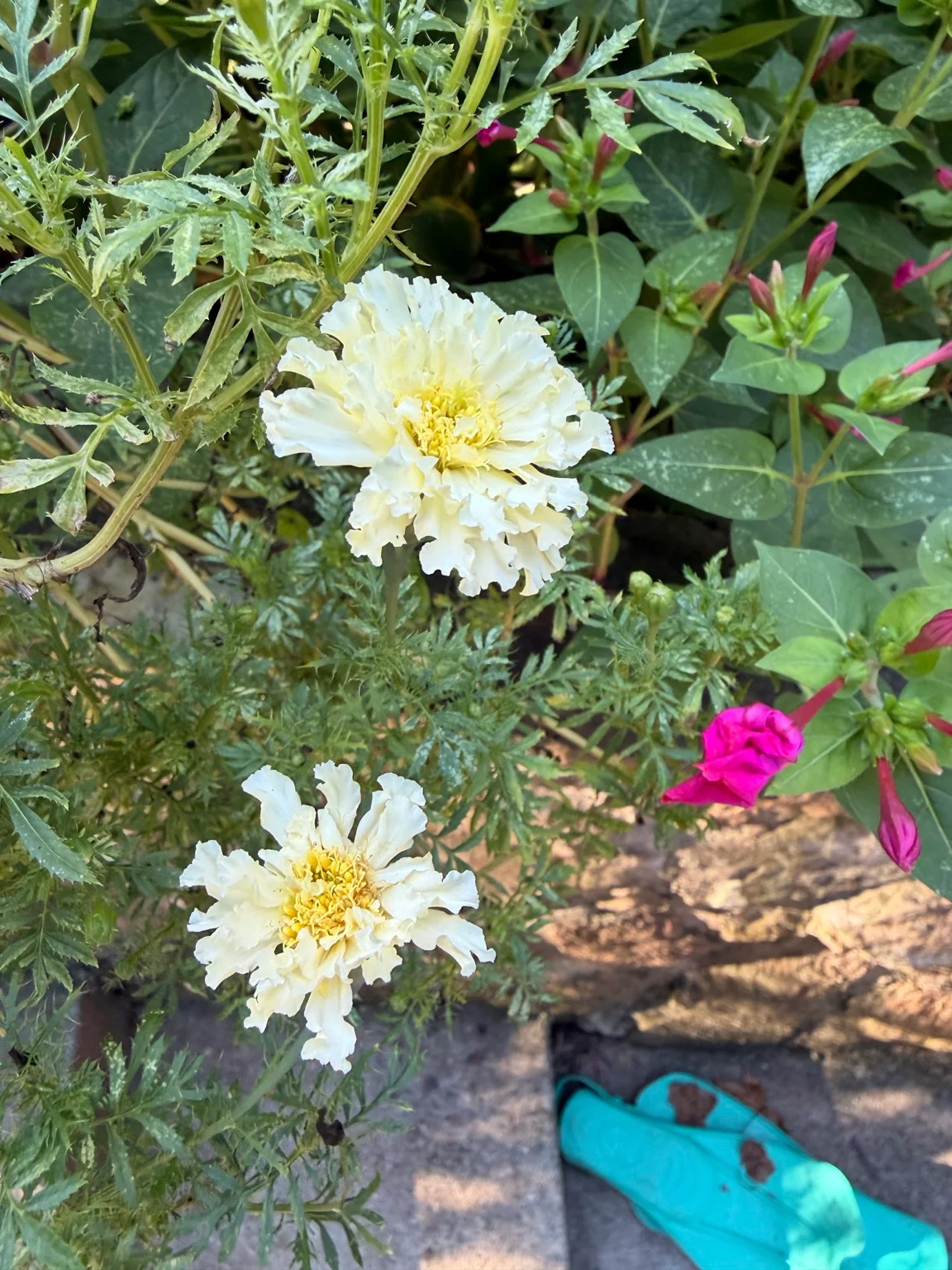
Kilimanjaro White Marigold
Tagetes erecta ‘Kilimanjaro White’Kilimanjaro White Marigold produces tall stems topped with large, softly ruffled flowers in creamy white to pale yellow. These seeds are open-pollinated, so the next generation may surprise you and may not look exactly like the parent plants.
See My Notes →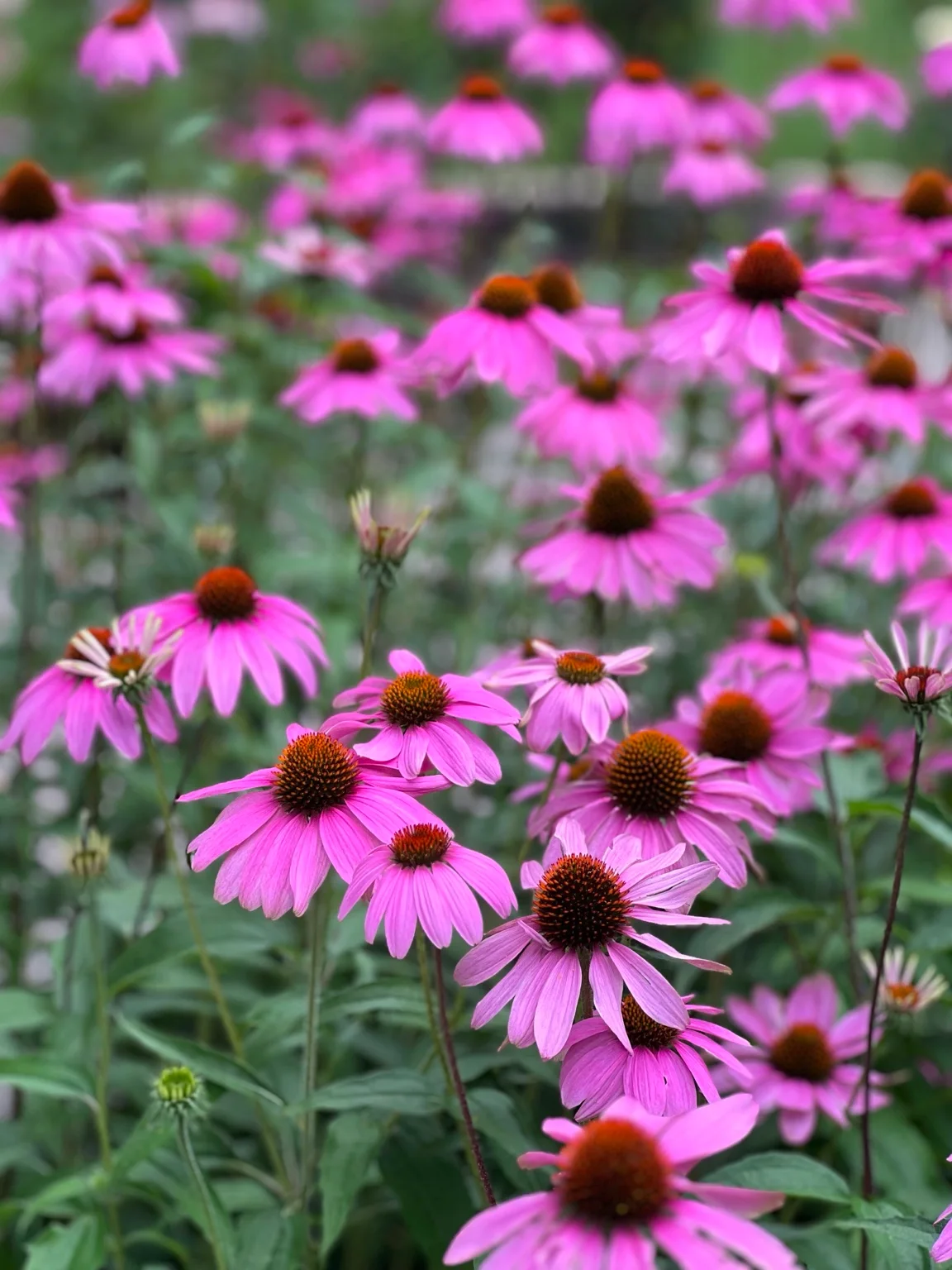
Purple Coneflower
Echinacea purpureaPurple Coneflower is a sturdy native perennial with pink-purple petals, warm orange cones, and a long summer bloom season. Pollinators gather at the flowers, and the seed heads keep feeding birds after the petals fade.
See My Notes →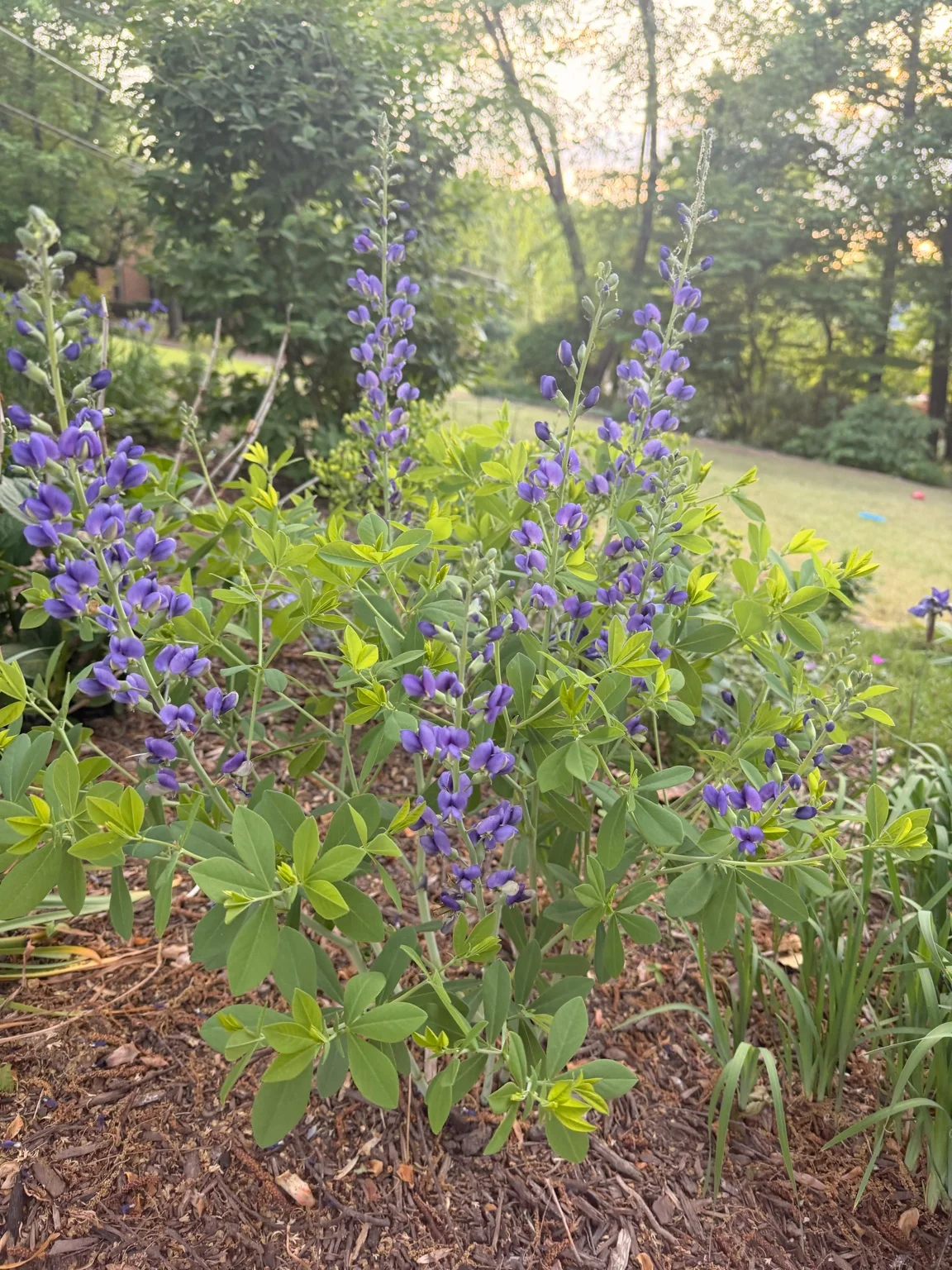
Baptisia (False Indigo)
Baptisia australisBaptisia, also known as False Indigo, is one of my favorite plants to watch pop up in spring. It quickly makes a rounded clump about 2–3 feet tall and wide, then sends up spikes of rich purple-blue flowers above fresh green leaves.
See My Notes →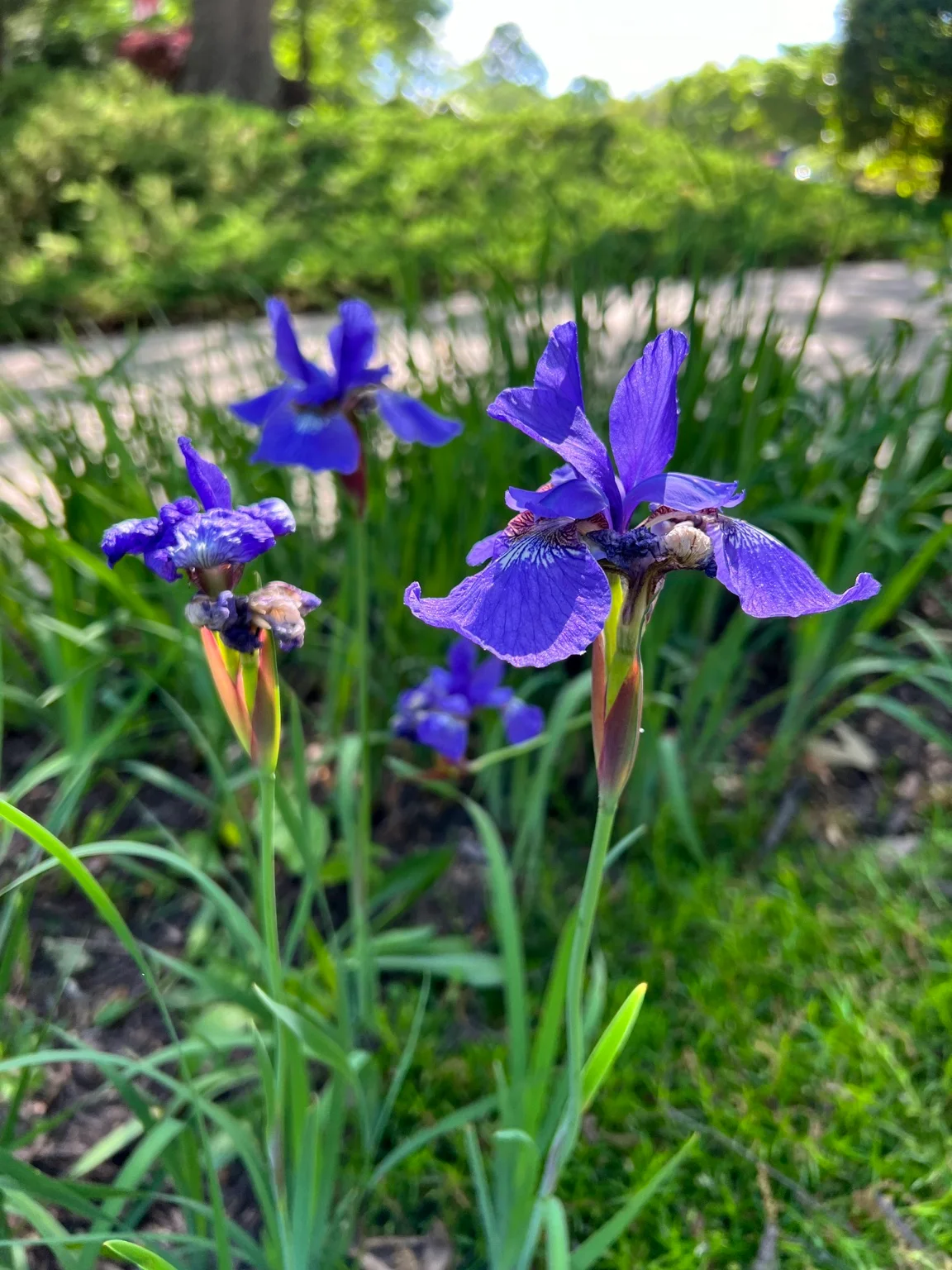
Siberian Iris
Iris sibiricaThese petite bluish-purple irises bloom in early spring, then keep their slender green leaves through summer. I love their graceful scale—and that they do not make the giant rhizomes of their bearded cousins.
See My Notes →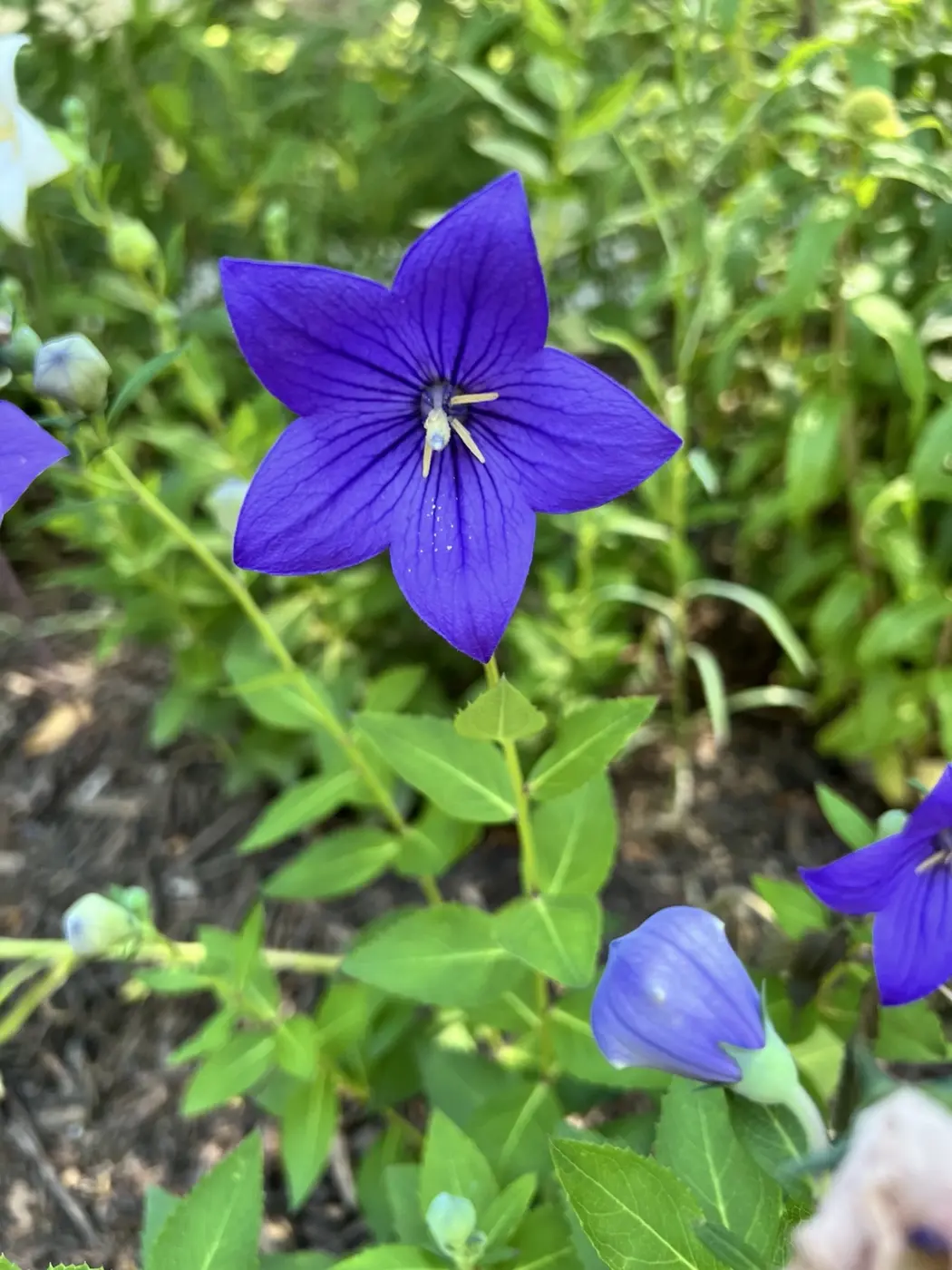
Balloon Flower
Platycodon grandiflorusThose puffy buds really do look like tiny balloons before they open into star-shaped flowers. This is a patient little perennial worth planting where it can stay.
See My Notes →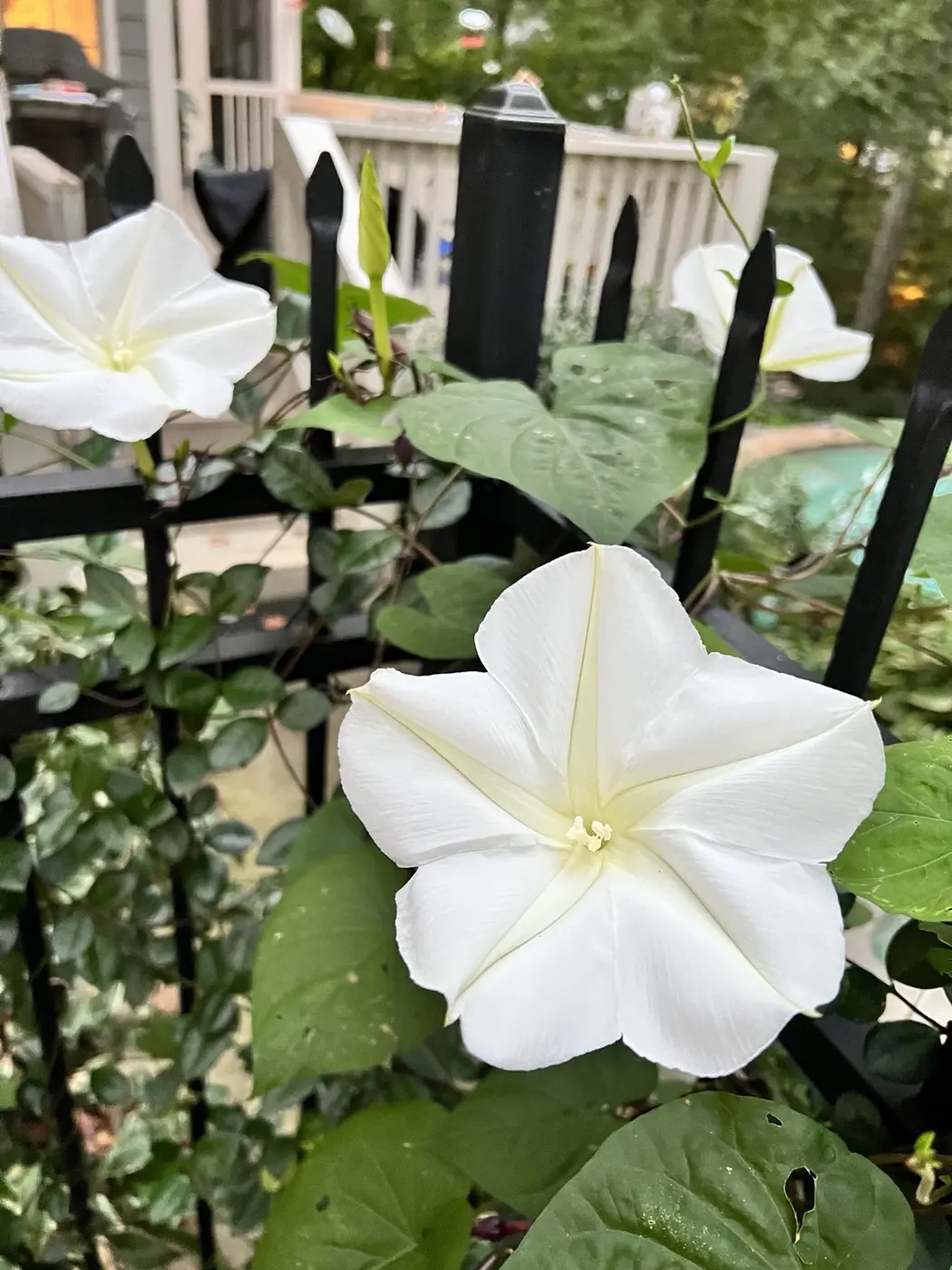
Moonflower
Ipomoea albaMoonflowers wait until evening to unfurl their huge white blooms. Plant them near a porch or walkway where you can catch the flowers opening and enjoy their scent.
See My Notes →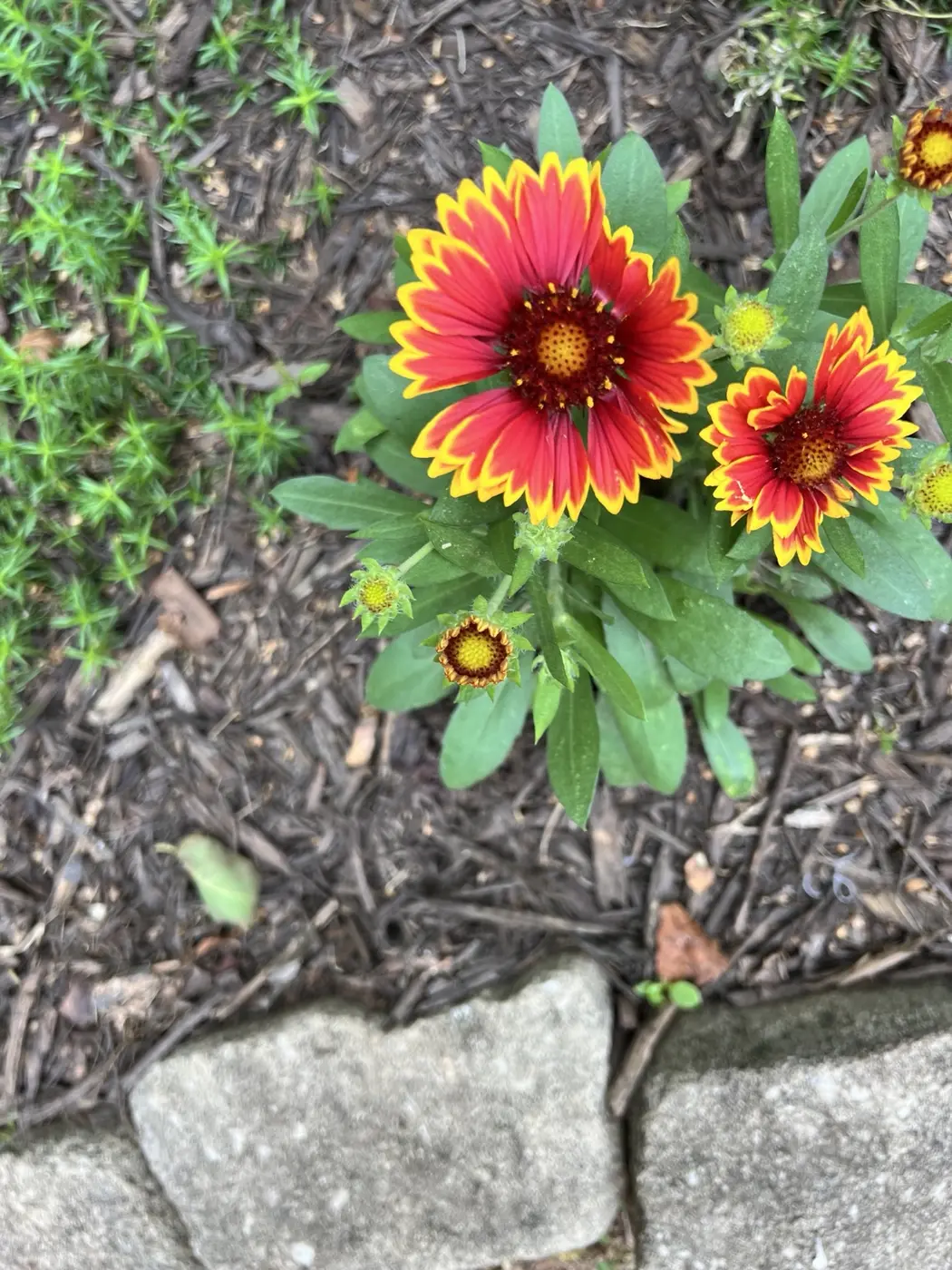
Blanket Flower
GaillardiaBlanket flower brings cheerful red-and-gold color and keeps blooming through heat that makes fussier plants wilt. Bees and butterflies approve, too.
See My Notes →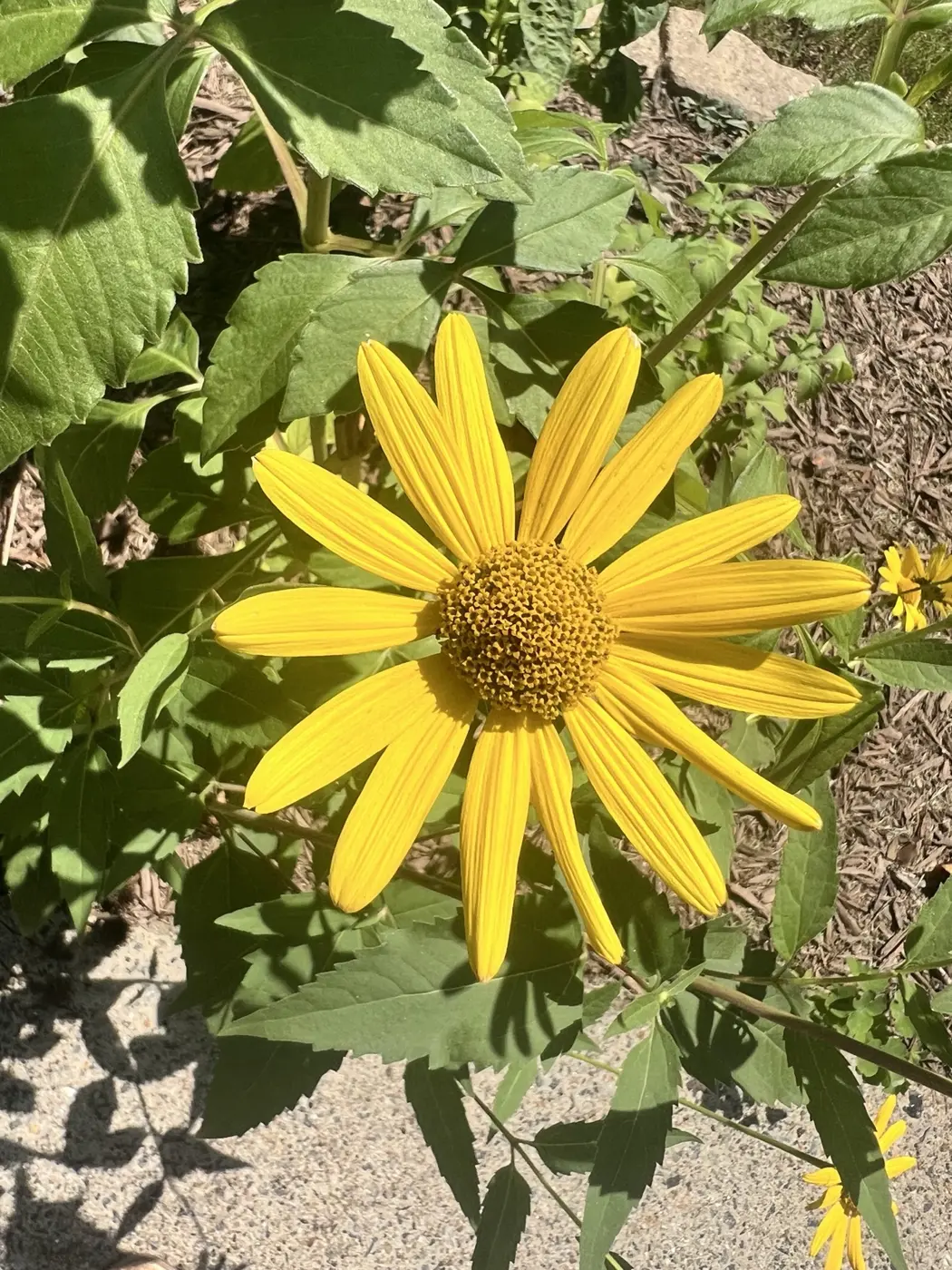
Heliopsis
Heliopsis helianthoidesHeliopsis is sometimes called false sunflower, but there is nothing second-rate about it. It gives the garden weeks of bright yellow flowers and plenty of pollinator activity.
See My Notes →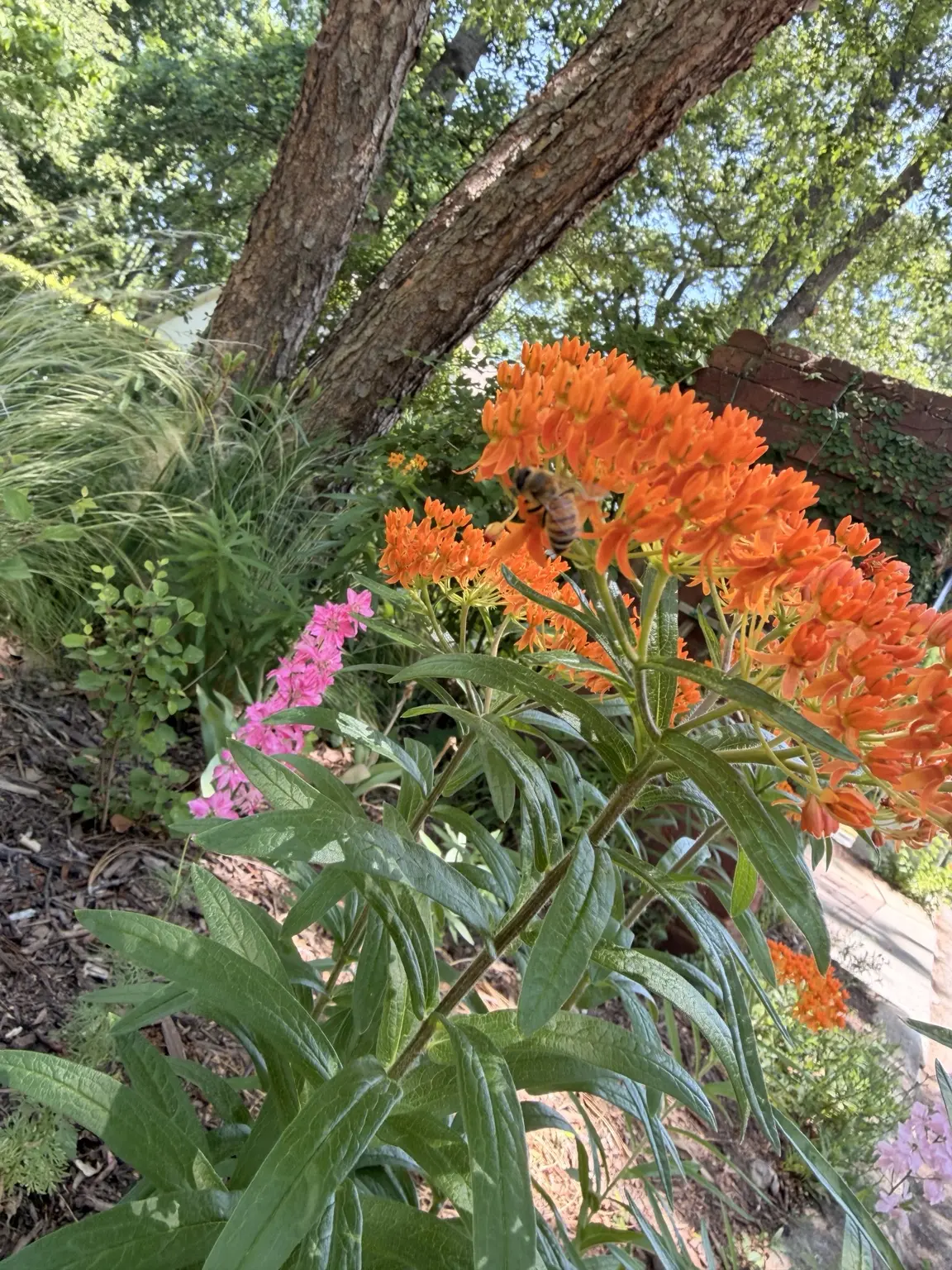
Butterfly Milkweed
Asclepias tuberosaThis is the milkweed I have the most seed to share. Its orange flowers feed pollinators, and its leaves feed monarch caterpillars—the tiny striped guest in this photo included.
See My Notes →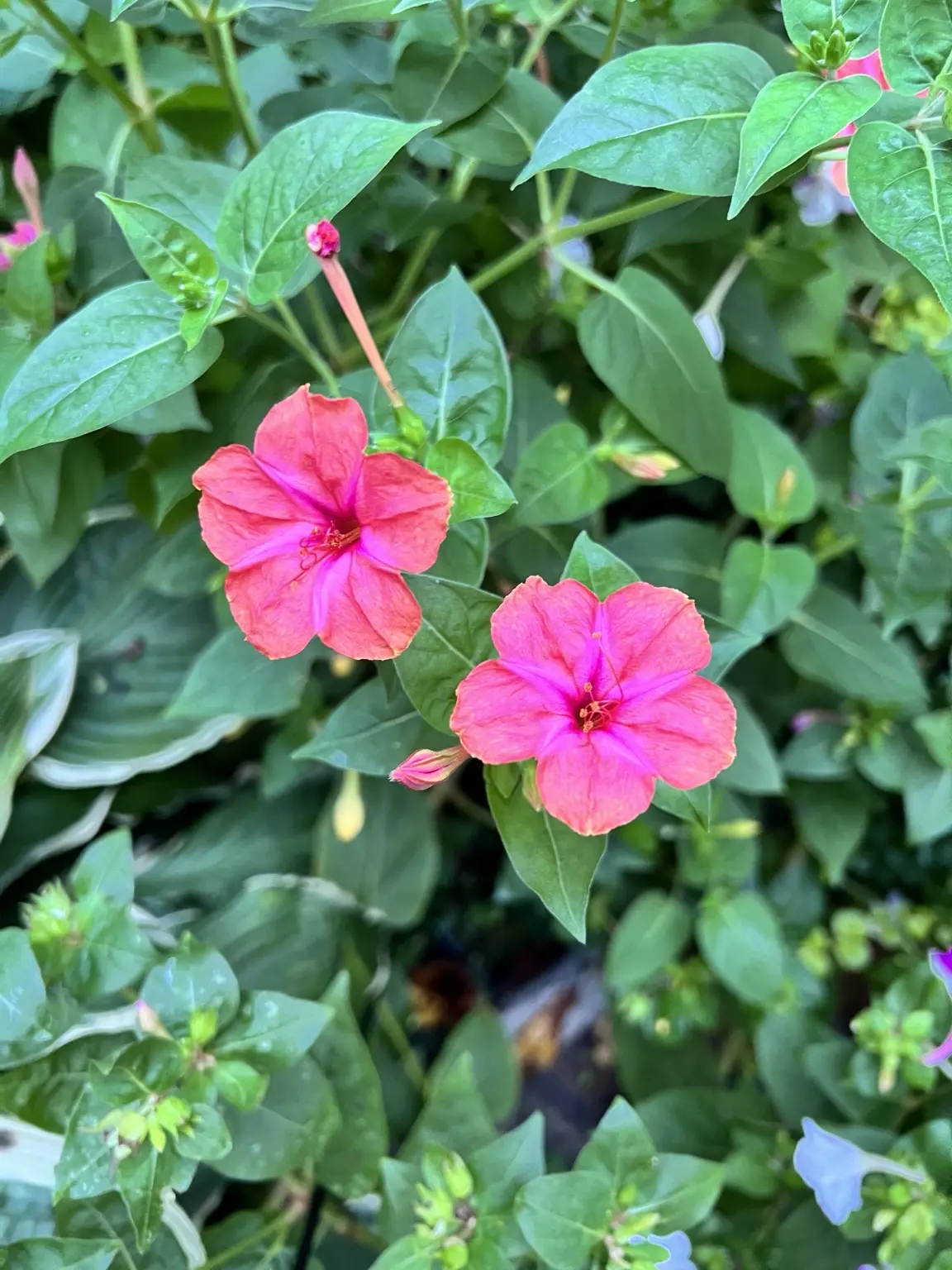
Four O’Clock
Mirabilis jalapaFour O’Clocks are full of surprises. The trumpet-shaped flowers open late in the day, and one patch can produce pink, yellow, white, striped, and speckled blooms.
See My Notes →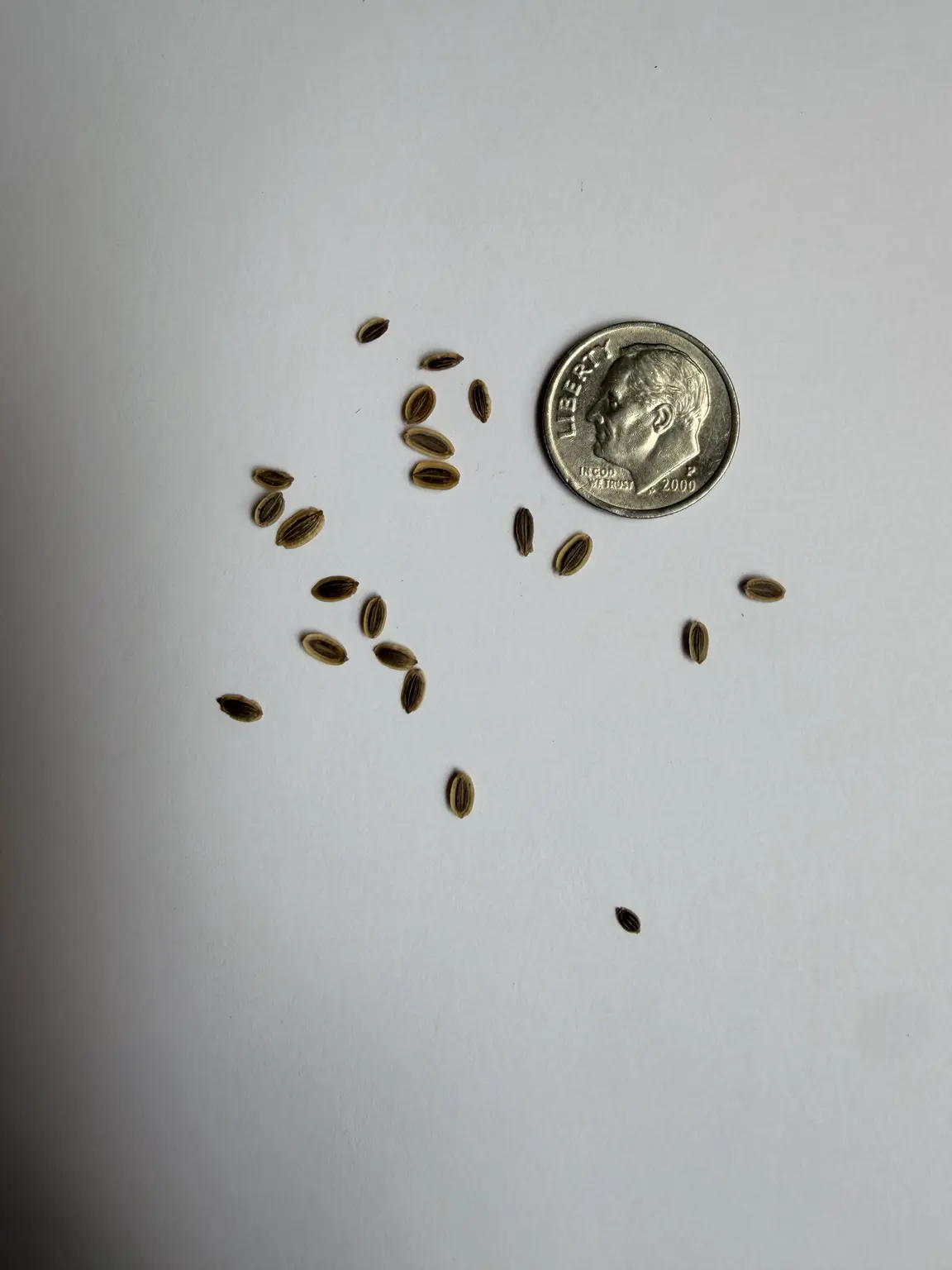
Dill
Anethum graveolensDill earns space in both the herb garden and the pollinator garden. The feathery leaves are delicious, and the flower heads bring in tiny beneficial insects and swallowtail caterpillars.
See My Notes →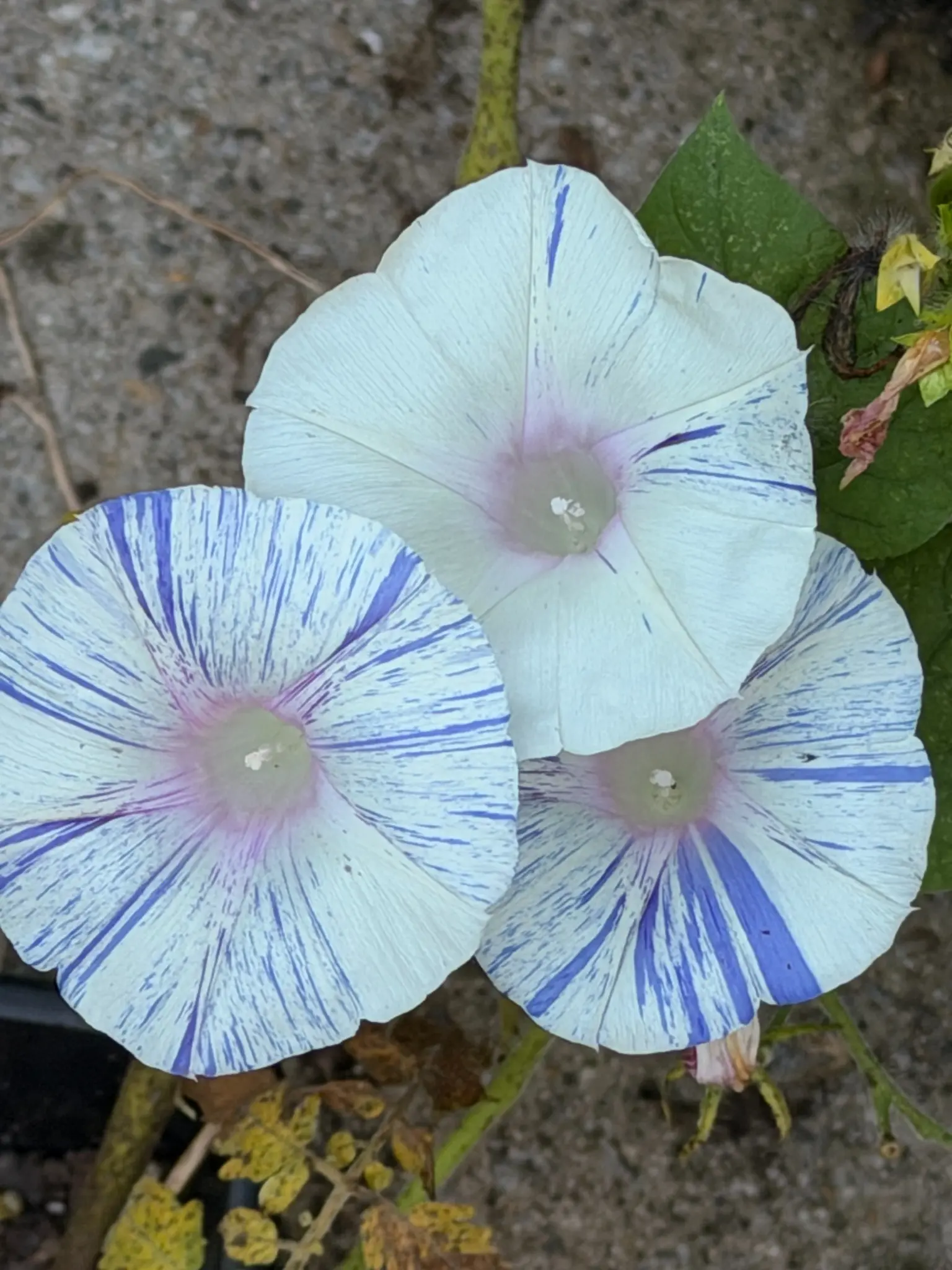
Morning Glory
Ipomoea purpureaMorning glories are fast-growing vines with flowers that open fresh in the morning. Mine surprised me with blue-and-white striped blooms, each one a little different from the next.
See My Notes →Lenten Rose
Helleborus × hybridaLenten Roses bring flowers to the shade garden when winter is barely finished. I have both fresh seed and young seedlings to share from this creamy white, pink-blushed clump.
See My Notes →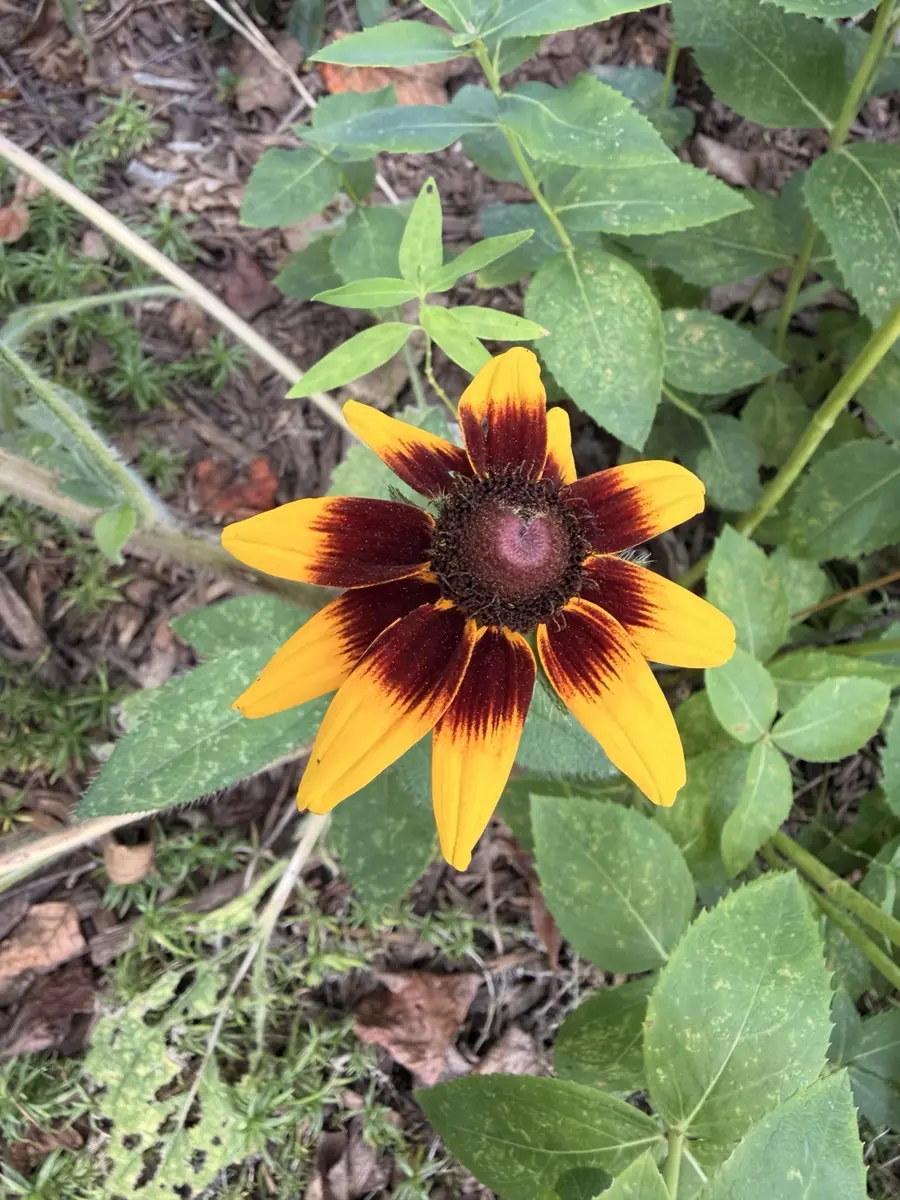
Bicolor Black-eyed Susan
Rudbeckia hirtaThis Black-eyed Susan stopped me in my tracks with its dark chocolate center and rich burgundy brushstrokes against golden petals. It belongs to the colorful Rudbeckia hirta group, often called gloriosa daisies, and the seeds may produce their own mix of gold, rust, and mahogany blooms.
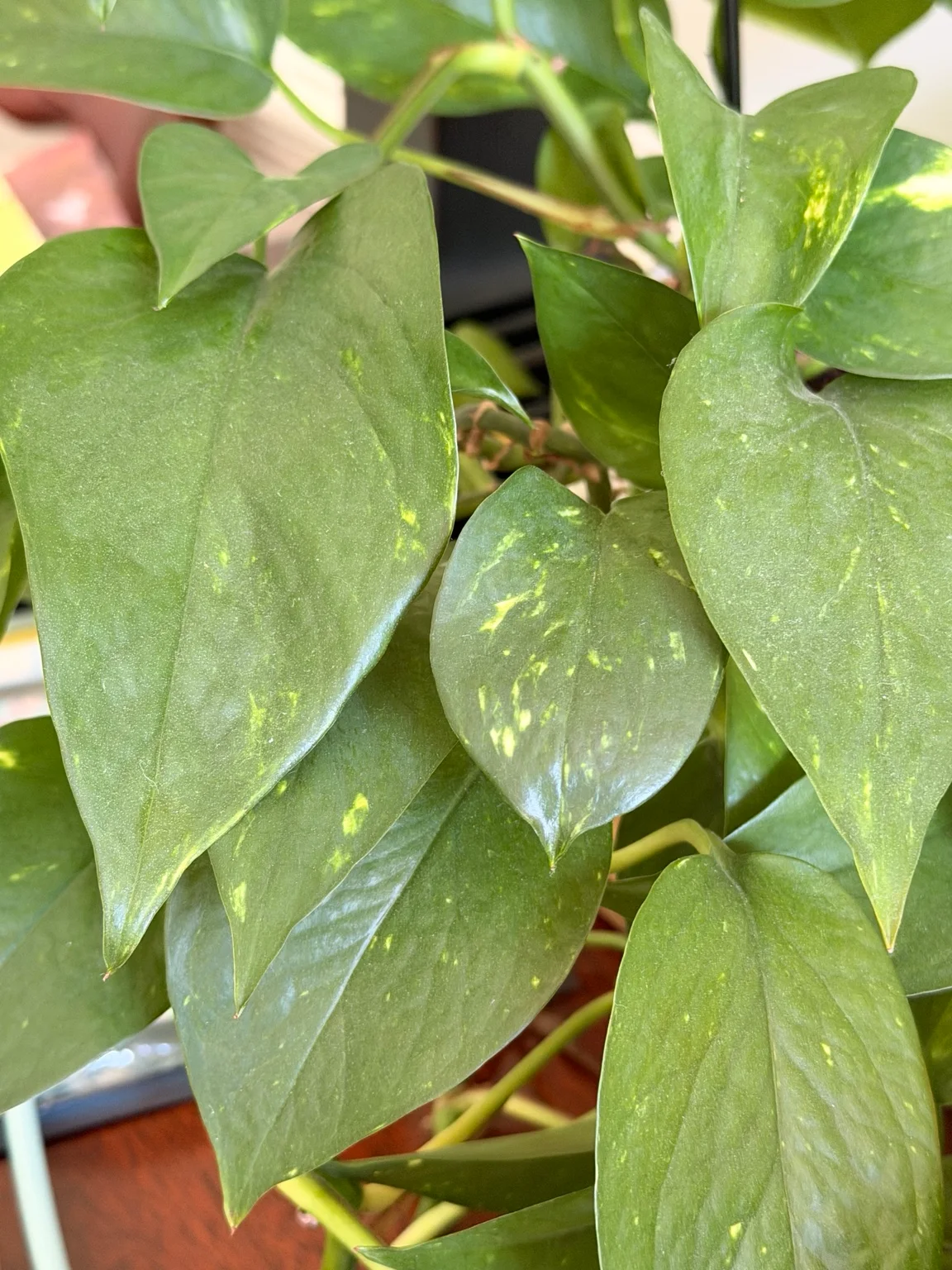
See My Notes →Pothos and Inch Plant cuttings should be ready in a couple of weeks. Rooted Fiddle Leaf Fig cuttings will be coming soon, too.