Atlanta planting calendar
When to plant
Mid-August: this is one of the seeds you can plant now, especially from late August into September as nights begin to cool. Direct-sow where it will grow, keep the seedbed evenly moist, and give young seedlings afternoon shade during a hot spell. You can sow again in early spring for another crop.
Research checked against UGA Extension’s fall pollinator guidance, UGA’s Southern herb guide, Iowa State’s perennial seed guide, and University of Maryland’s native-seed guide. Weather varies, so shift spring dates when frost arrives unusually early or late.
How to sow
Direct sow outdoors after the danger of hard frost has passed. Plant seeds about ¼ inch deep and keep the soil lightly moist until they sprout. Dill forms a taproot and prefers not to be transplanted, so sow it where you want it to grow.
How to grow
Choose a sunny spot and avoid overfeeding. Sow a small batch every few weeks if you want a steady supply of fresh leaves. Let some plants flower for pollinators and for seed.
What to expect
Seeds usually sprout in 7–14 days. Plants may reach 2–4 feet and can self-sow when happy. Black swallowtail caterpillars may eat the foliage; I count that as a garden success.
Seed-sharing note
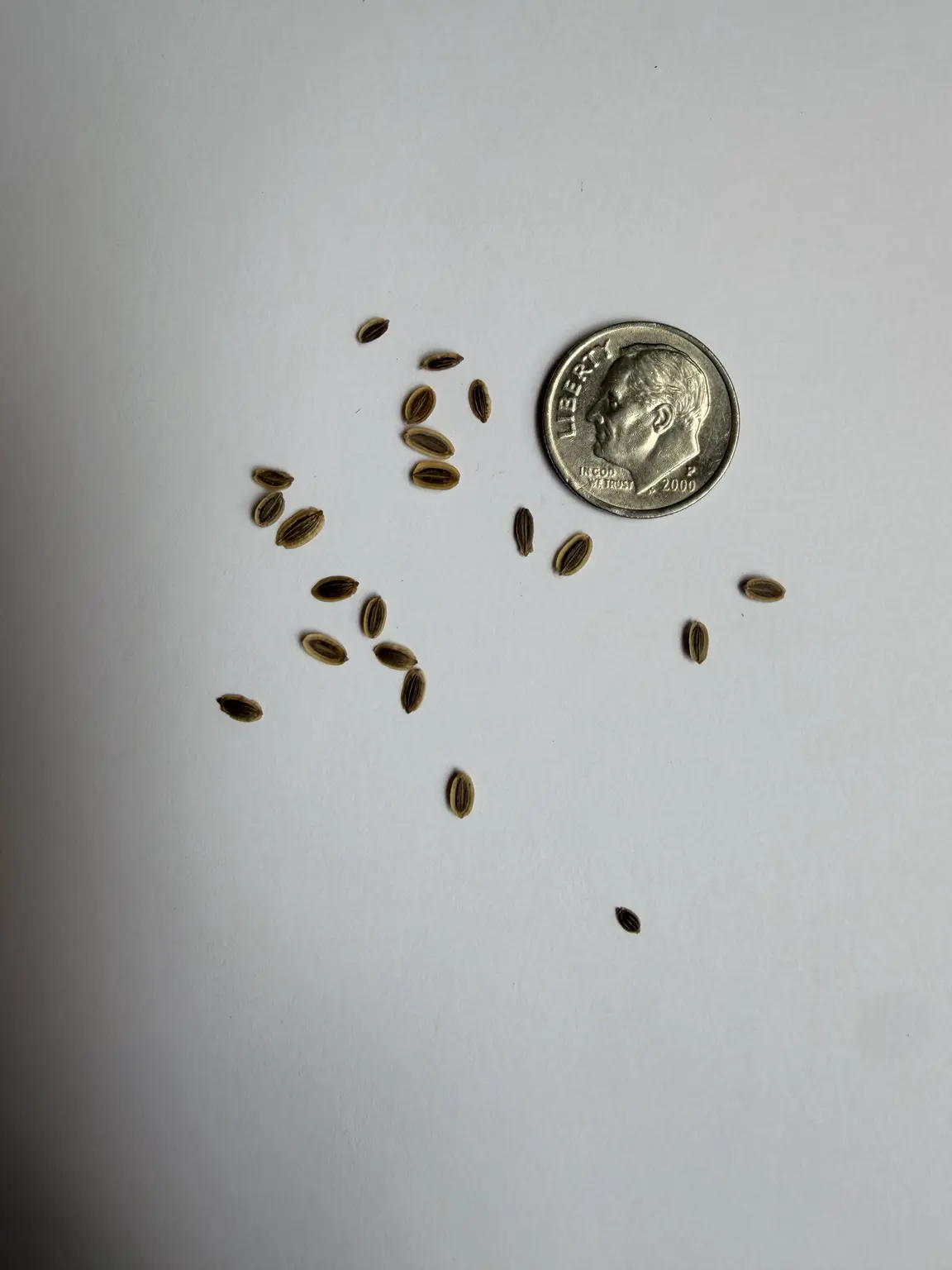
These seeds came from plants growing in my garden. Seedlings are individuals, so they may not look exactly like the parent plant—and that is part of growing from seed.
A note from my garden“I grow dill for the kitchen, but I’m just as happy when the caterpillars find it first. These are the small, flat seeds I saved from my own plants.”