☀LightFull sun to part shade
Atlanta planting calendar
When to plant
Mid-August: fresh seed may be sown now in a labeled outdoor pot or prepared bed and kept evenly moist; it will usually wait through winter and germinate after its natural cold period. If the seed is dry and storage is easier, sow it in fall instead. For a spring start, give it a prolonged cold, moist treatment before sowing; germination may still be slow and uneven.
Research checked against UGA Extension’s fall pollinator guidance, UGA’s Southern herb guide, Iowa State’s perennial seed guide, and University of Maryland’s native-seed guide. Weather varies, so shift spring dates when frost arrives unusually early or late.
How to sow
For the most natural start, sow fresh seed outdoors in fall about ¼ inch deep and let winter provide the cold period it needs. For spring sowing, give the seeds a cold, moist treatment in the refrigerator before planting. Keep the soil evenly moist while you wait for germination.
How to grow
Choose a spot with sun or light shade and soil that stays reasonably moist without becoming waterlogged. Give young plants time to establish. Their narrow, upright leaves remain green through summer and make a tidy clump even after the spring flowers finish.
What to expect
Seed-grown irises reward patience. Germination can be uneven, and the young plants may take two or three years to flower. Because seedlings are individuals, their shades and markings may vary from the parent plants.
Seed-sharing note
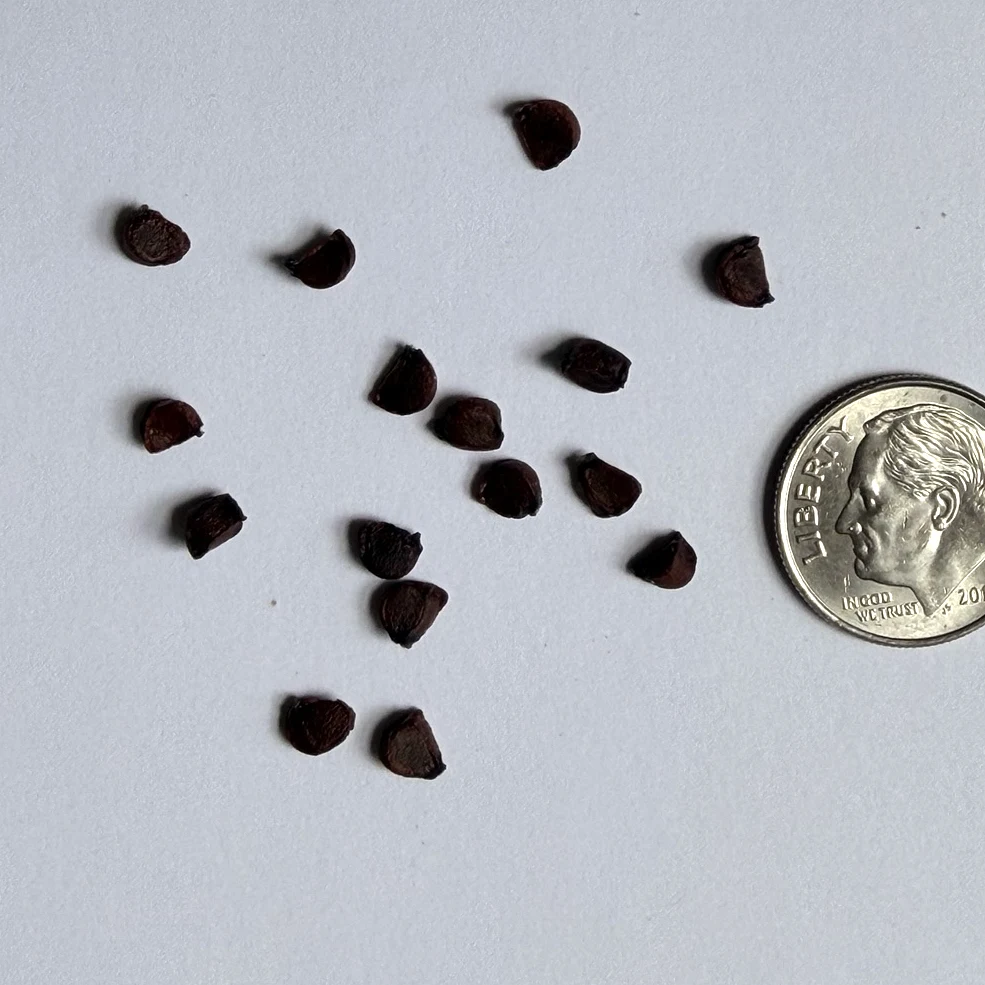
These seeds came from plants growing in my garden. Seedlings are individuals, so they may not look exactly like the parent plant—and that is part of growing from seed.
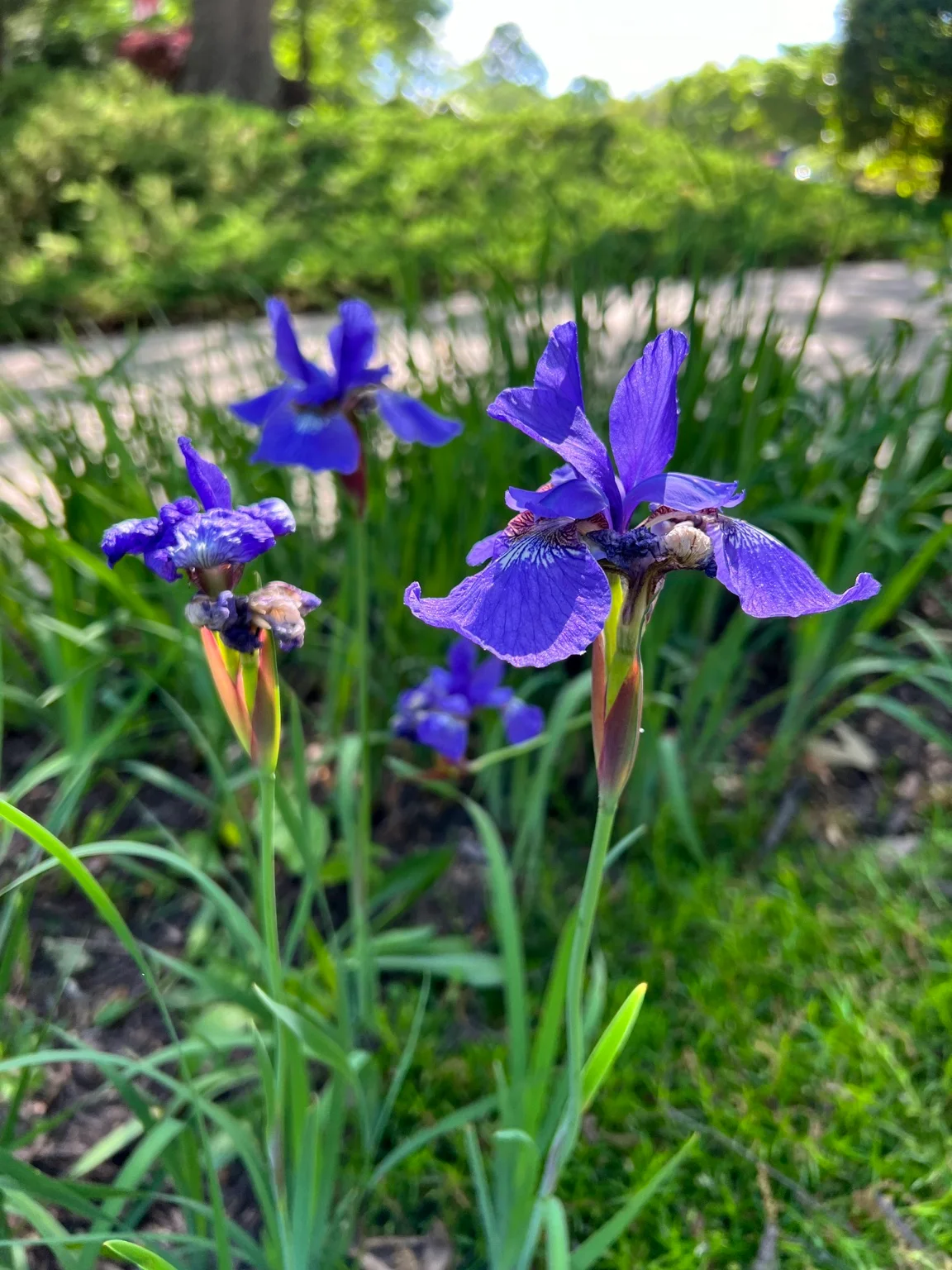
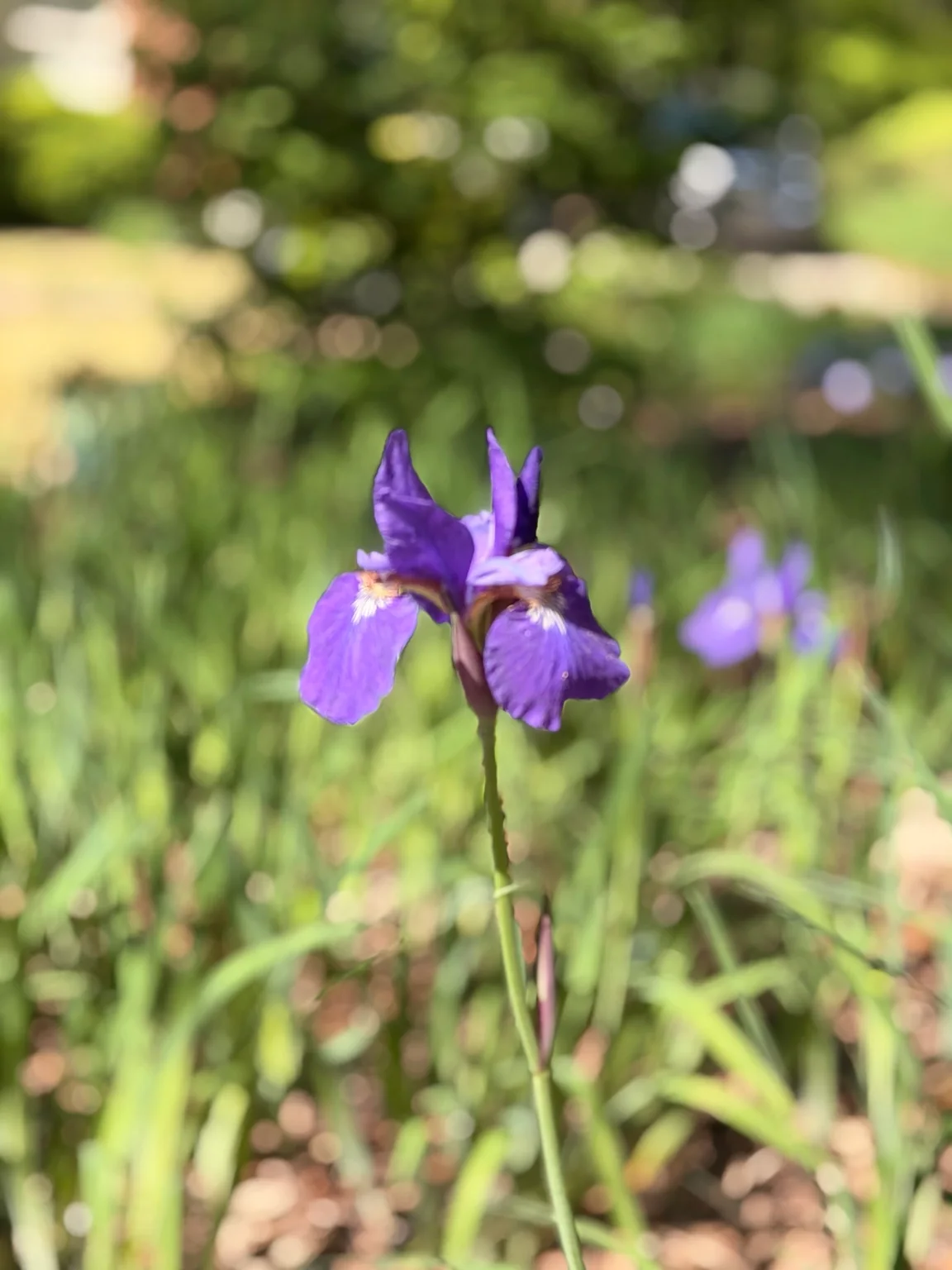
A note from my garden“These feel like the elegant little cousins of bearded irises: smaller flowers, finer leaves, and none of those enormous rhizomes.”