☀LightPart sun to light shade
Atlanta planting calendar
When to plant
Mid-August: hold these seeds for now. In Atlanta, sow them outdoors in late fall or winter; natural chilling often improves germination. For spring planting, surface-sow indoors in late winter. If they have not germinated after several weeks, give the moist seed tray about three weeks near 40°F, then return it to warmth and light. Do not sow into hot August soil, where seedlings may emerge too early and struggle.
Research checked against UGA Extension’s fall pollinator guidance, UGA’s Southern herb guide, Iowa State’s perennial seed guide, and University of Maryland’s native-seed guide. Weather varies, so shift spring dates when frost arrives unusually early or late.
How to sow
Fall sow outdoors and let winter provide the cold period naturally, or give spring-sown seed 3–4 weeks of cold, moist stratification. Press the tiny seeds onto moist mix and cover them only very lightly because they need some light to germinate. Keep the surface evenly moist while you wait.
How to grow
Choose a spot with morning sun or dappled light and soil that drains well but does not stay bone-dry. Young plants appreciate regular moisture while their roots establish. Columbines are often short-lived perennials, but they commonly renew themselves by dropping seed nearby.
What to expect
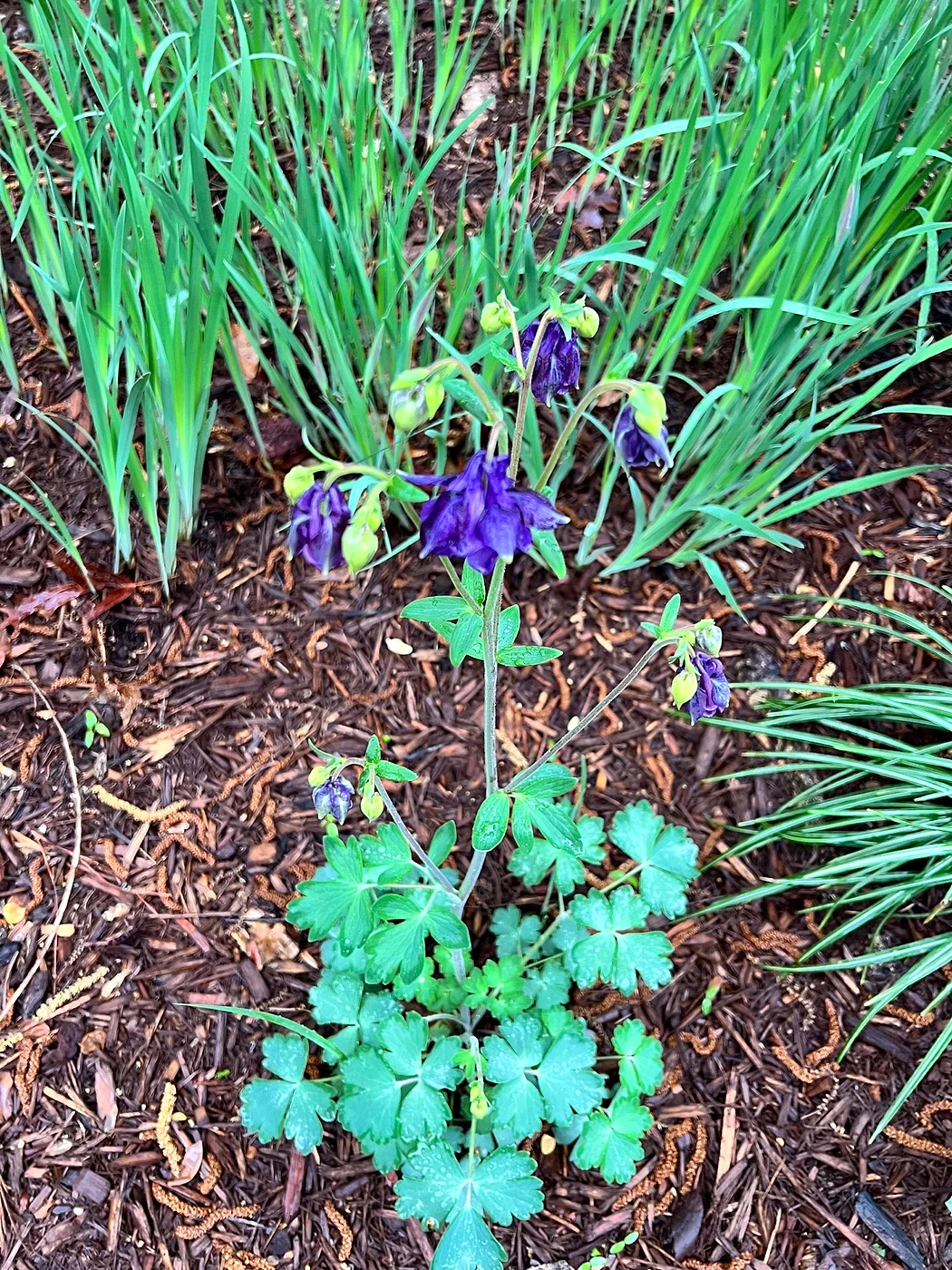
Germination can take several weeks and may be uneven. Seed-grown plants may need a full season before flowering. In my experience these seeds produce solid-purple blooms, although open-pollinated seedlings can always bring some natural variation.
Seed-sharing note
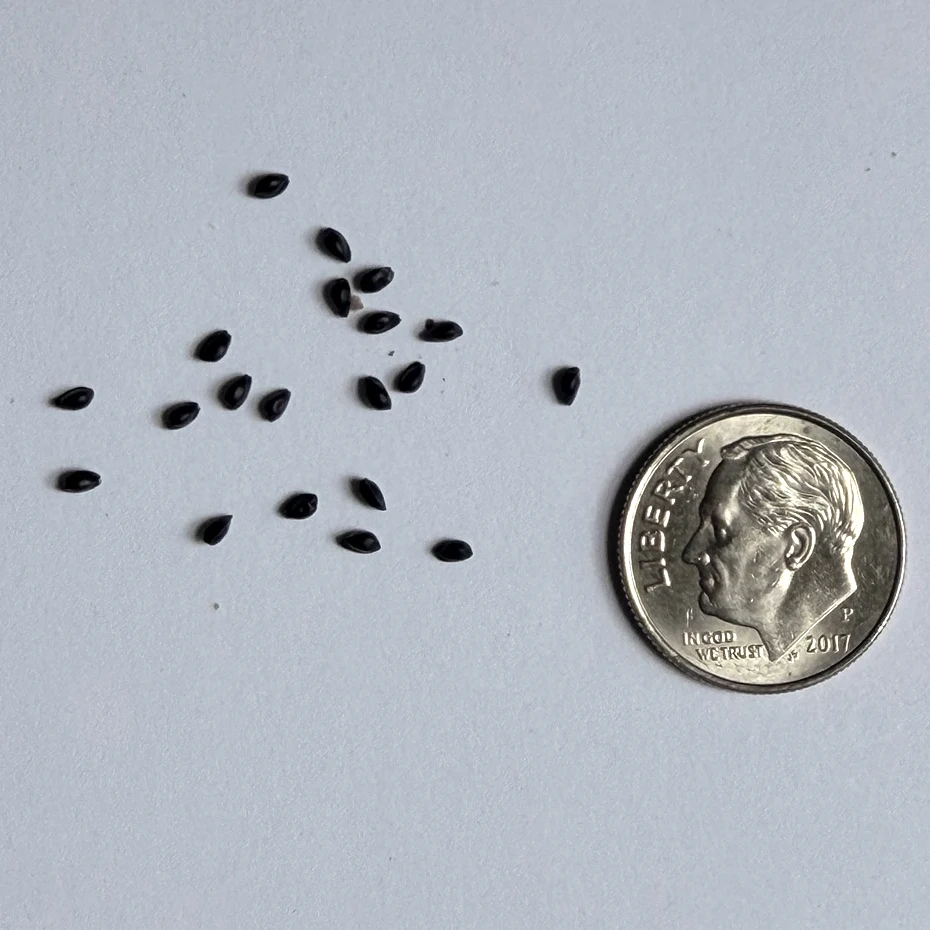
These seeds came from plants growing in my garden. Seedlings are individuals, so they may not look exactly like the parent plant—and that is part of growing from seed.
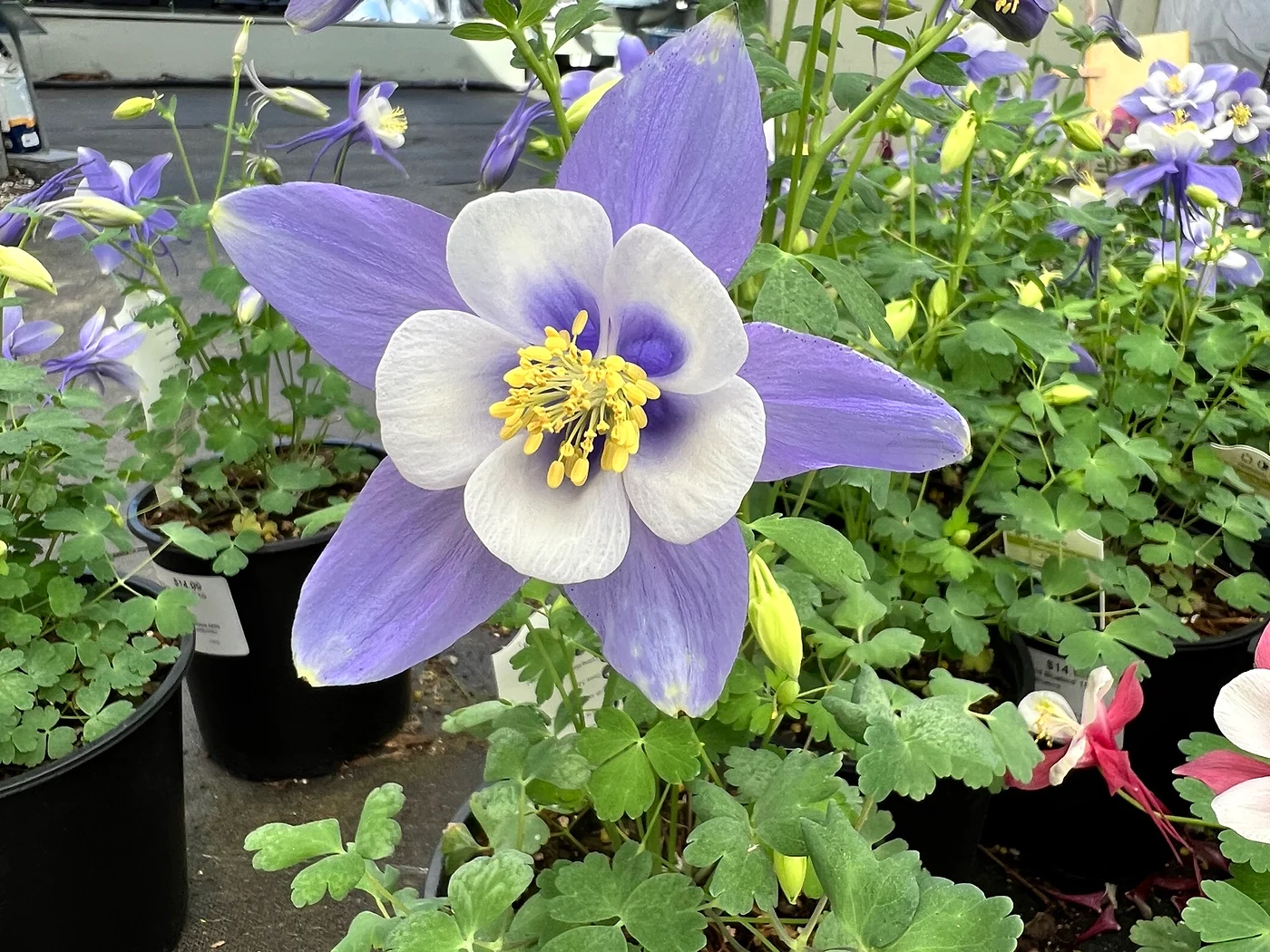
A note from my garden“The two flower photos tell this plant’s story: the bicolor bloom I originally brought home and the rich purple flowers it produced when it returned the following spring.”