≈SoilAverage, drained soil
Atlanta planting calendar
When to plant
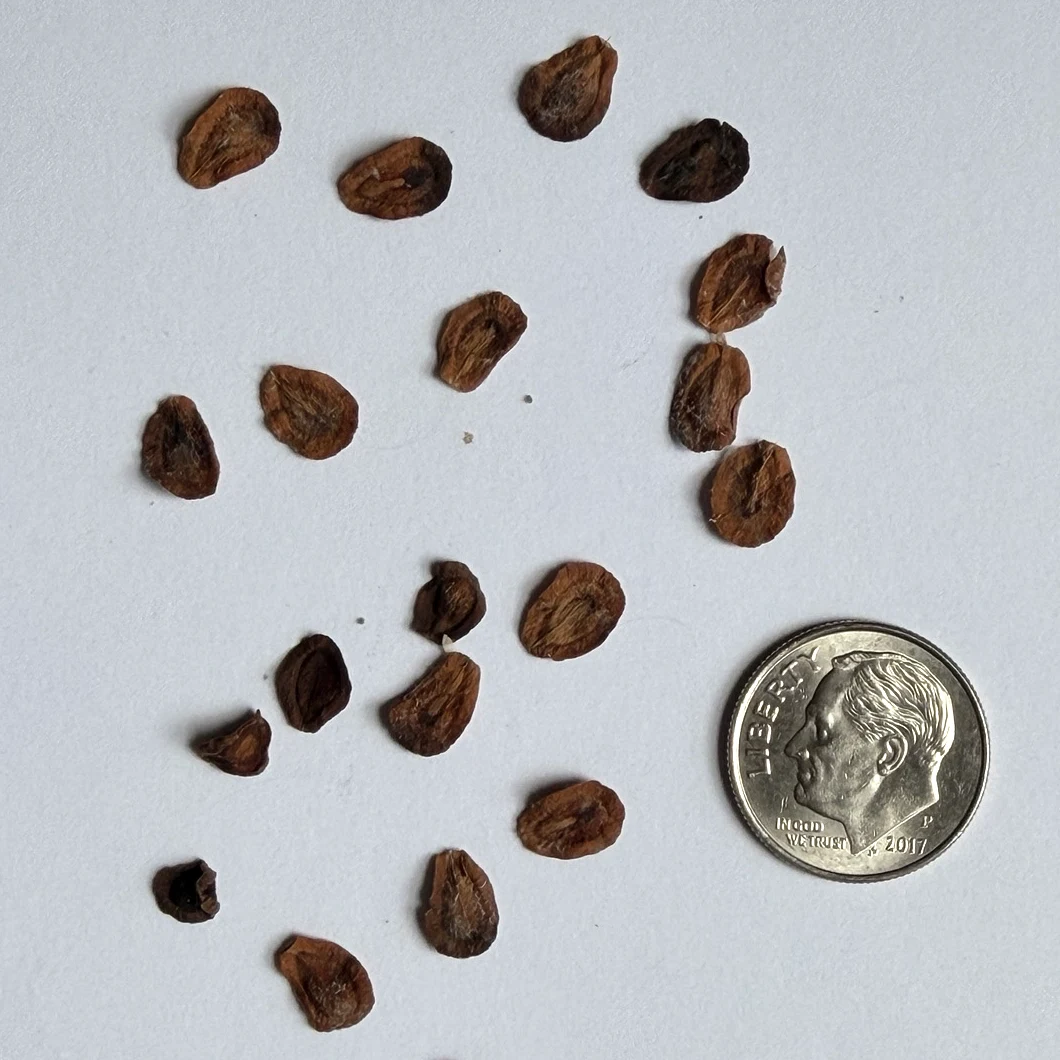
Mid-August: save these seeds until late fall or winter. Sow outdoors from November through January so Atlanta’s winter supplies at least about 30 days of cold, moist conditions. If you wait for spring, refrigerate the seeds in a barely moist medium for about 30 days, then sow after stratification. August heat does not provide the dormancy-breaking cold they need.
Research checked against UGA Extension’s fall pollinator guidance, UGA’s Southern herb guide, Iowa State’s perennial seed guide, and University of Maryland’s native-seed guide. Weather varies, so shift spring dates when frost arrives unusually early or late.
How to sow
The easiest method is to sow outdoors in fall and let winter provide the cold period naturally. For spring sowing, give the seeds about 30 days of cold, moist stratification, then plant roughly ¼ inch deep. Keep the soil lightly moist until seedlings establish.
How to grow
Choose a sunny permanent spot where a spreading patch will be welcome. Common Milkweed grows from deep roots and underground rhizomes, so it can travel beyond its original planting place. Avoid pesticides anywhere monarch caterpillars or other pollinators may be feeding.
What to expect
Plants often reach 3–5 feet and may take two or three years to flower from seed. Rounded clusters of dusty-pink flowers feed many pollinators, while the leaves are essential food for monarch caterpillars. The monarch is not currently federally listed, but it is proposed for threatened status because its populations face serious decline. Mature plants form large pods filled with silky seeds and may spread into a sizable colony.
Seed-sharing note
These seeds came from plants growing in my garden. Seedlings are individuals, so they may not look exactly like the parent plant—and that is part of growing from seed.
A note from my garden“I picked up the seed pod for this batch at Blue Heron Nature Preserve in Atlanta’s North Buckhead neighborhood. Common Milkweed is the classic host plant for the imperiled monarch butterfly, so give it room to form a patch and welcome every chewed leaf.”