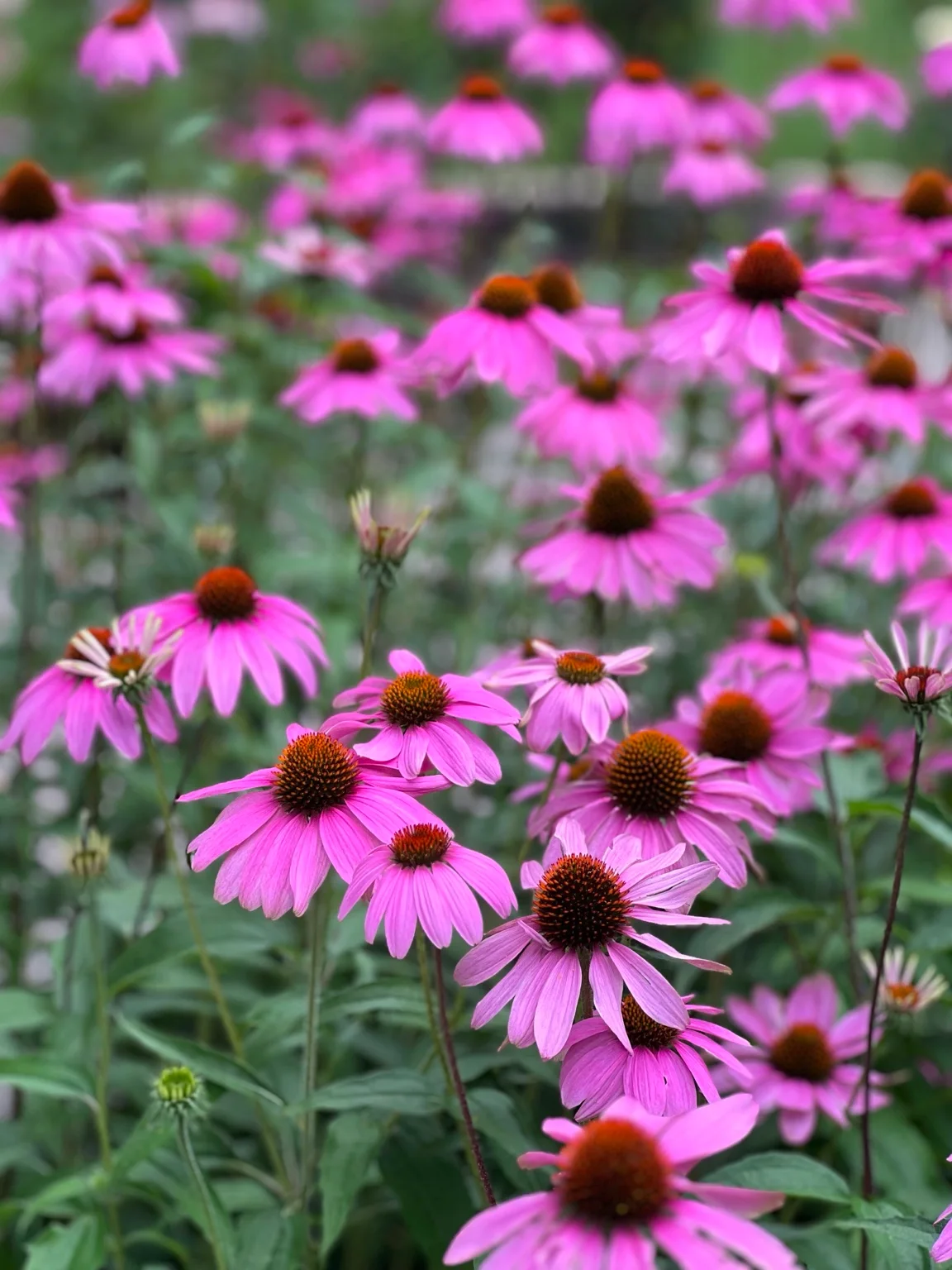
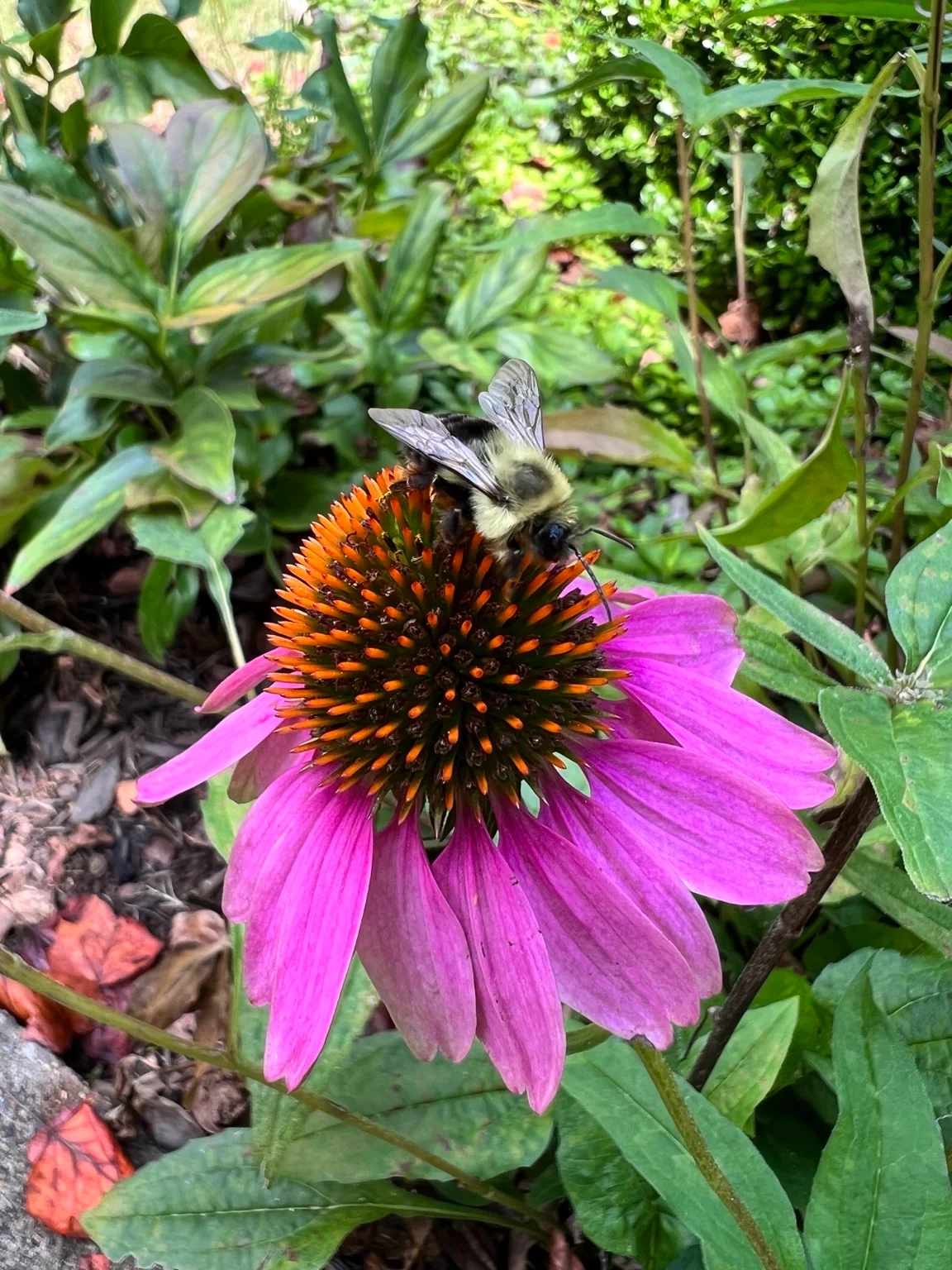
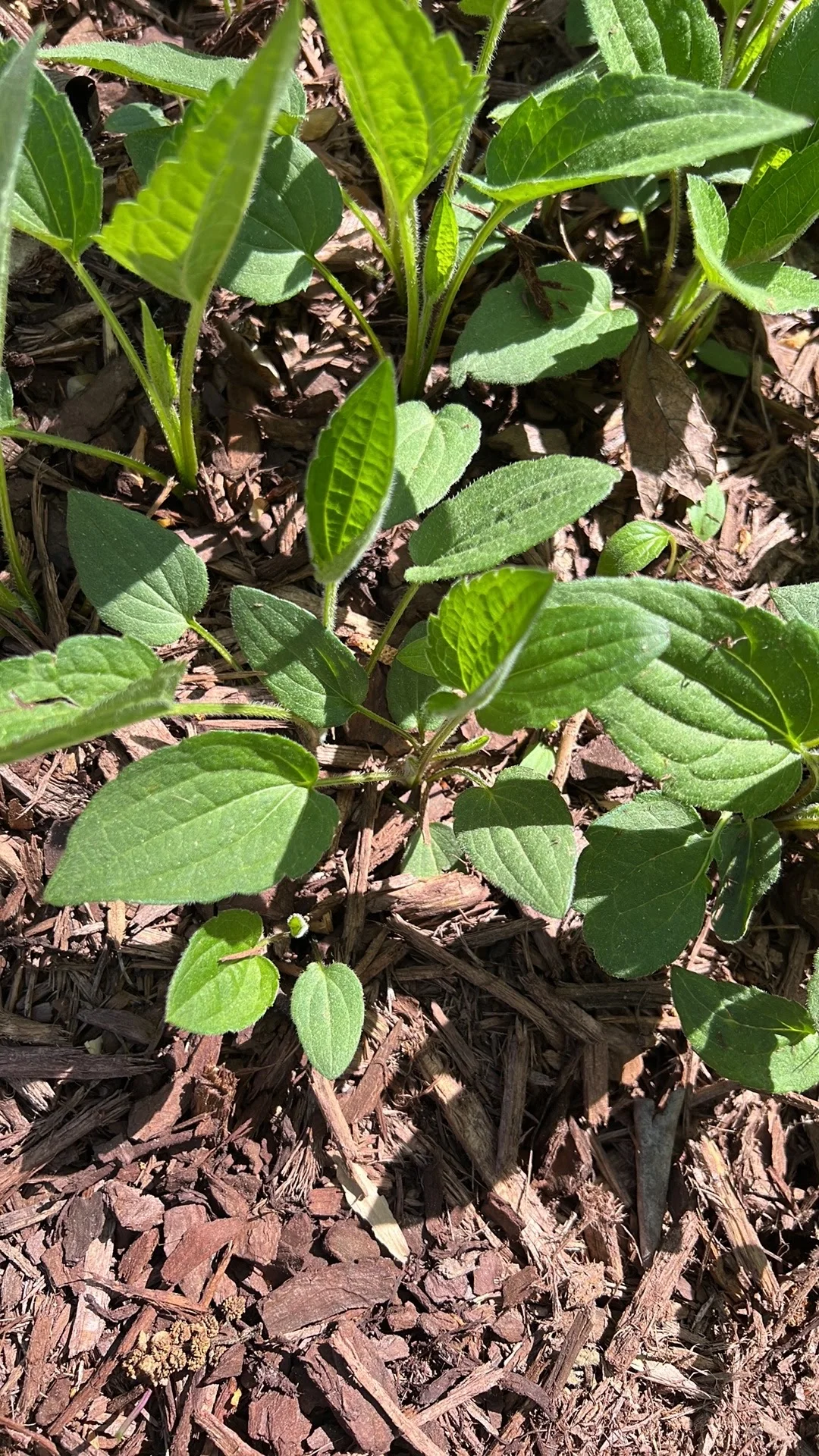
☀LightFull sun to part shade
≈SoilAverage, drained soil
Atlanta planting calendar
When to plant
Mid-August: hold until late fall or winter rather than sowing into summer heat. Outdoor sowing from November through January lets winter provide roughly 30 days of cold, moist conditions and encourages spring germination. For an indoor spring start, stratify in the refrigerator for about 30 days first.
Research checked against UGA Extension’s fall pollinator guidance, UGA’s Southern herb guide, Iowa State’s perennial seed guide, and University of Maryland’s native-seed guide. Weather varies, so shift spring dates when frost arrives unusually early or late.
How to sow
Fall sow outdoors and let winter provide the cold period naturally, or give spring-sown seed about 30 days of cold, moist stratification. Sow ⅛–¼ inch deep, press the soil gently, and keep it evenly moist until seedlings are established.
How to grow
Plant in sun for the strongest stems and most flowers. Purple Coneflower adapts to ordinary garden soil and becomes drought tolerant after its roots settle in. Leave enough space for each plant to form a leafy clump, and avoid overly rich soil or heavy fertilizer.
What to expect
Seedlings may flower in their first or second year. Mature plants usually reach 2–4 feet and bloom through summer. Leave some dried cones standing for goldfinches and other seed-eating birds, then collect the rest for sharing.
Seed-sharing note
These seeds came from plants growing in my garden. Seedlings are individuals, so they may not look exactly like the parent plant—and that is part of growing from seed.
A note from my garden“This is one of my favorite plants for a garden that feels alive. The blooms draw bees and butterflies all summer, and even the prickly seed heads keep doing useful work after flowering ends.”