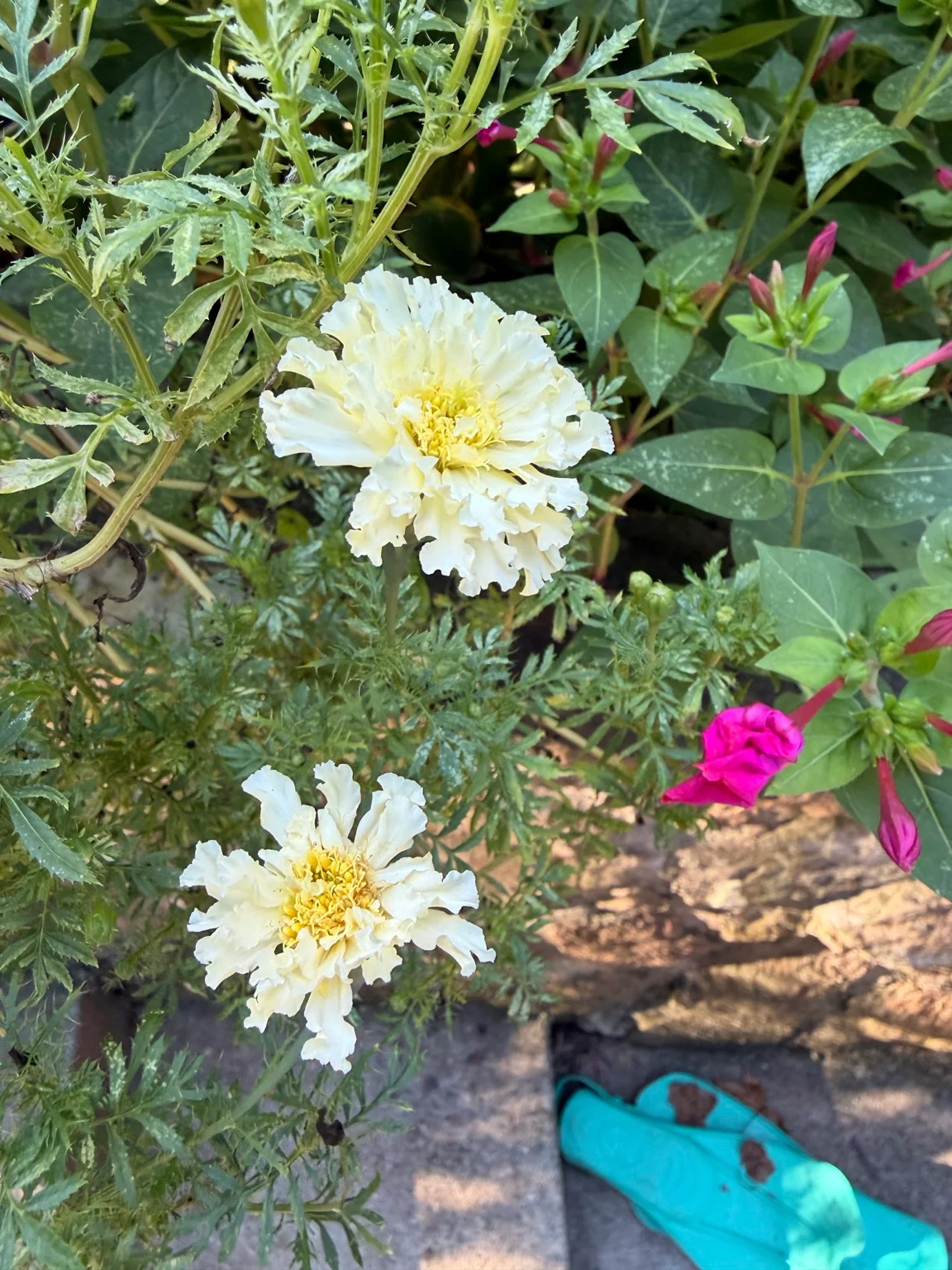
Kilimanjaro White Marigold produces tall stems topped with large, softly ruffled flowers in creamy white to pale yellow. These seeds are open-pollinated, so the next generation may surprise you and may not look exactly like the parent plants.
☀Light
Full sun
↧Sow
¼ inch deep
≈Soil
Warm, drained soil
↻Habit
Annual flower
Atlanta planting calendar
When to plant
Mid-August: hold these warm-season annual seeds for spring. Start them indoors 4–6 weeks before Atlanta’s average last frost, usually in late February or March, or direct-sow after frost danger has passed and the soil has warmed in April. A new August sowing is unlikely to give the plants enough time to mature and flower well before cold weather.
Start seeds indoors 4–6 weeks before the last frost, or sow them directly outdoors once frost danger has passed and the soil is warm. Plant about ¼ inch deep and keep the mix evenly moist until seedlings emerge, usually within one to two weeks.
How to grow
Give the plants full sun, good air circulation, and regular water while they establish. Space them generously so the branching plants can fill out. Pinching young plants encourages more stems, and removing spent flowers keeps new blooms coming.
What to expect
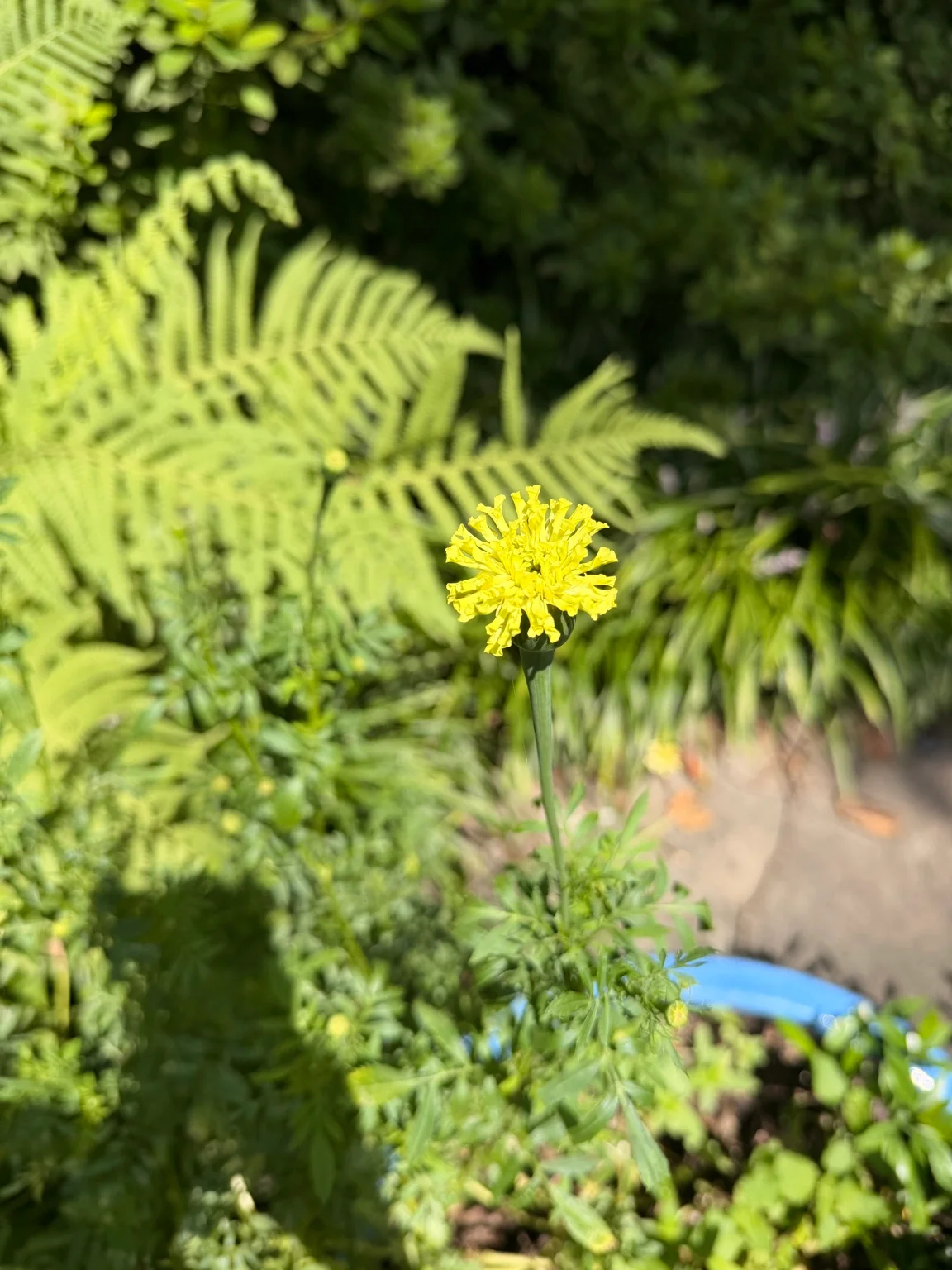
Plants grow quickly in summer and produce large, ruffled flowers on sturdy stems. Because these garden seeds were open-pollinated, seedlings may vary in height, flower form, and color—from creamy white to warmer ivory or yellow tones.
Seed-sharing note
These seeds came from plants growing in my garden. Seedlings are individuals, so they may not look exactly like the parent plant—and that is part of growing from seed.
From my garden
A closer look
Creamy Kilimanjaro White blooms in my gardenOne bloom showing a warmer yellow tone
A note from my garden
“The soft, unusual flower color makes these marigolds fun to grow, but the open-pollinated seedlings are the real adventure. I’m looking forward to seeing what colors appear in neighbors’ gardens.”