Atlanta planting calendar
When to plant
Mid-August: save these seeds until late fall or winter. Sow outdoors from November through January so they receive at least about 30 days of cold, moist conditions. For spring sowing, cold-moist stratify in the refrigerator for about 30 days first. Do not substitute dry refrigeration; moisture is part of the treatment.
Research checked against UGA Extension’s fall pollinator guidance, UGA’s Southern herb guide, Iowa State’s perennial seed guide, and University of Maryland’s native-seed guide. Weather varies, so shift spring dates when frost arrives unusually early or late.
How to sow
The easiest route is fall sowing outdoors. For spring planting, give seeds about 30 days of cold, moist stratification, then sow roughly ¼ inch deep.
How to grow
Choose a sunny, well-drained permanent spot. Butterfly milkweed develops a deep taproot and does not enjoy transplanting. Avoid pesticides anywhere caterpillars may be feeding.
What to expect
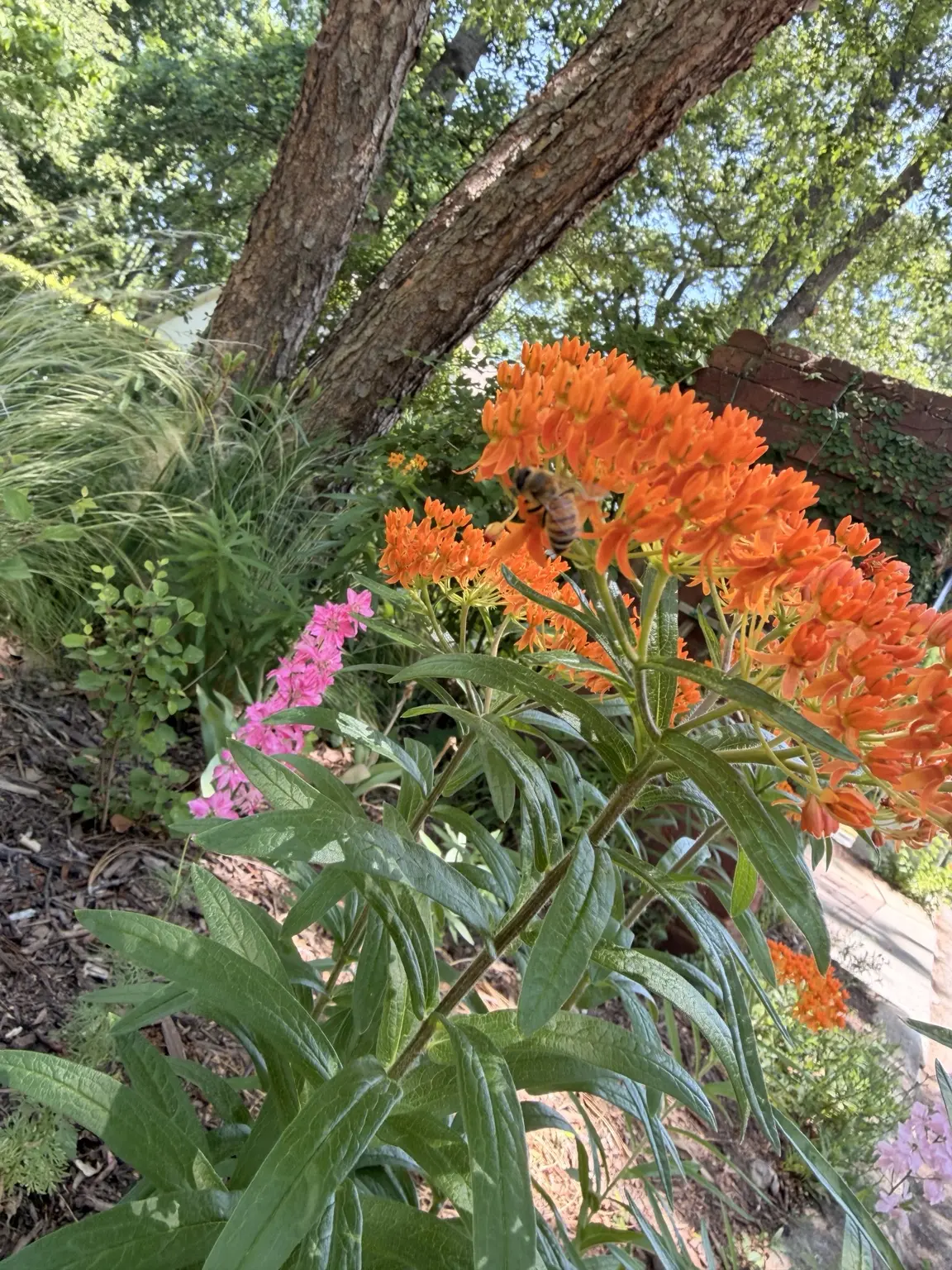
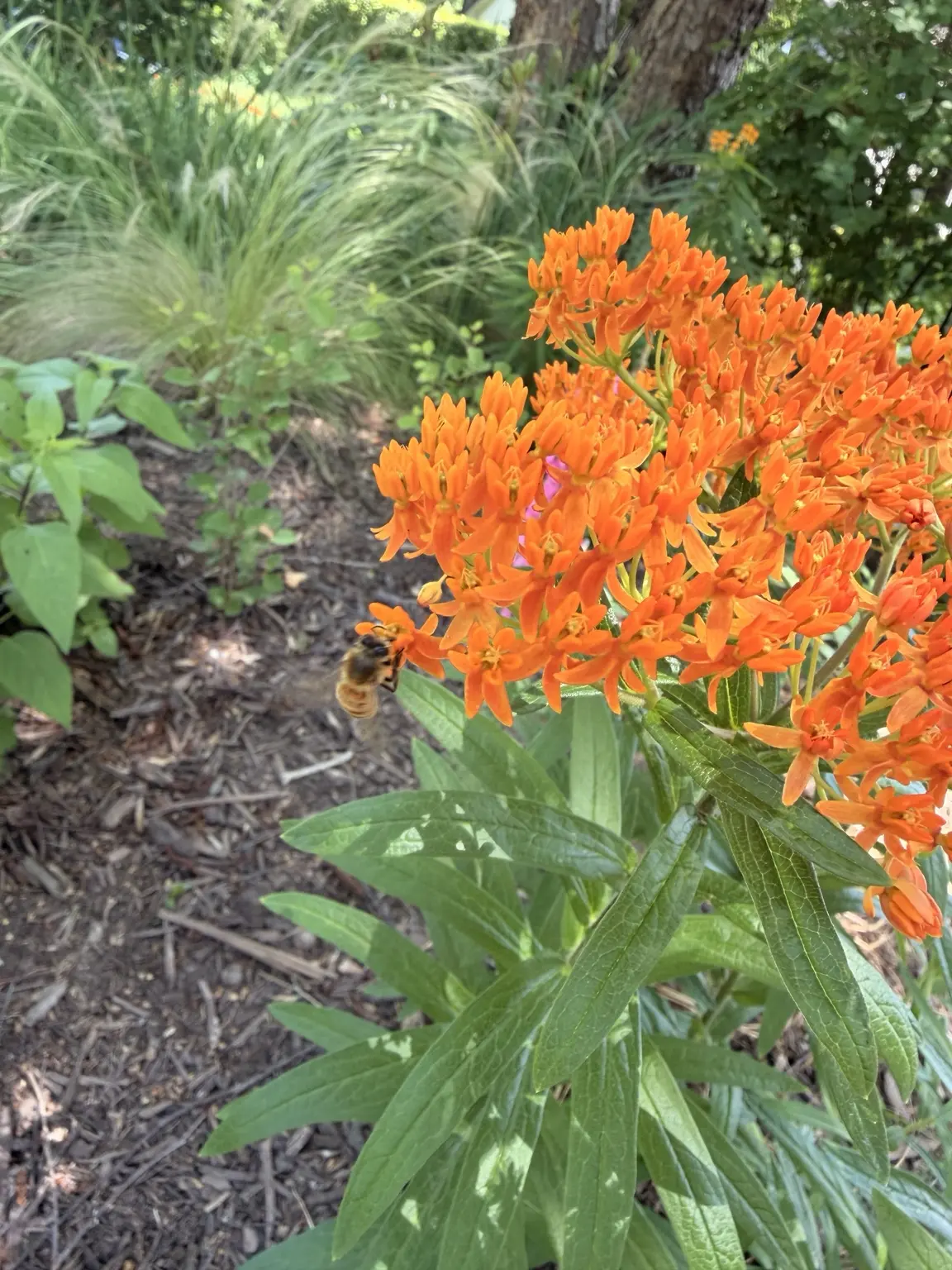
Be patient: seed-grown plants can take two or three years to settle in and flower. Unlike common milkweed, butterfly milkweed grows in a clump rather than running through the bed by rhizomes.
Seed-sharing note
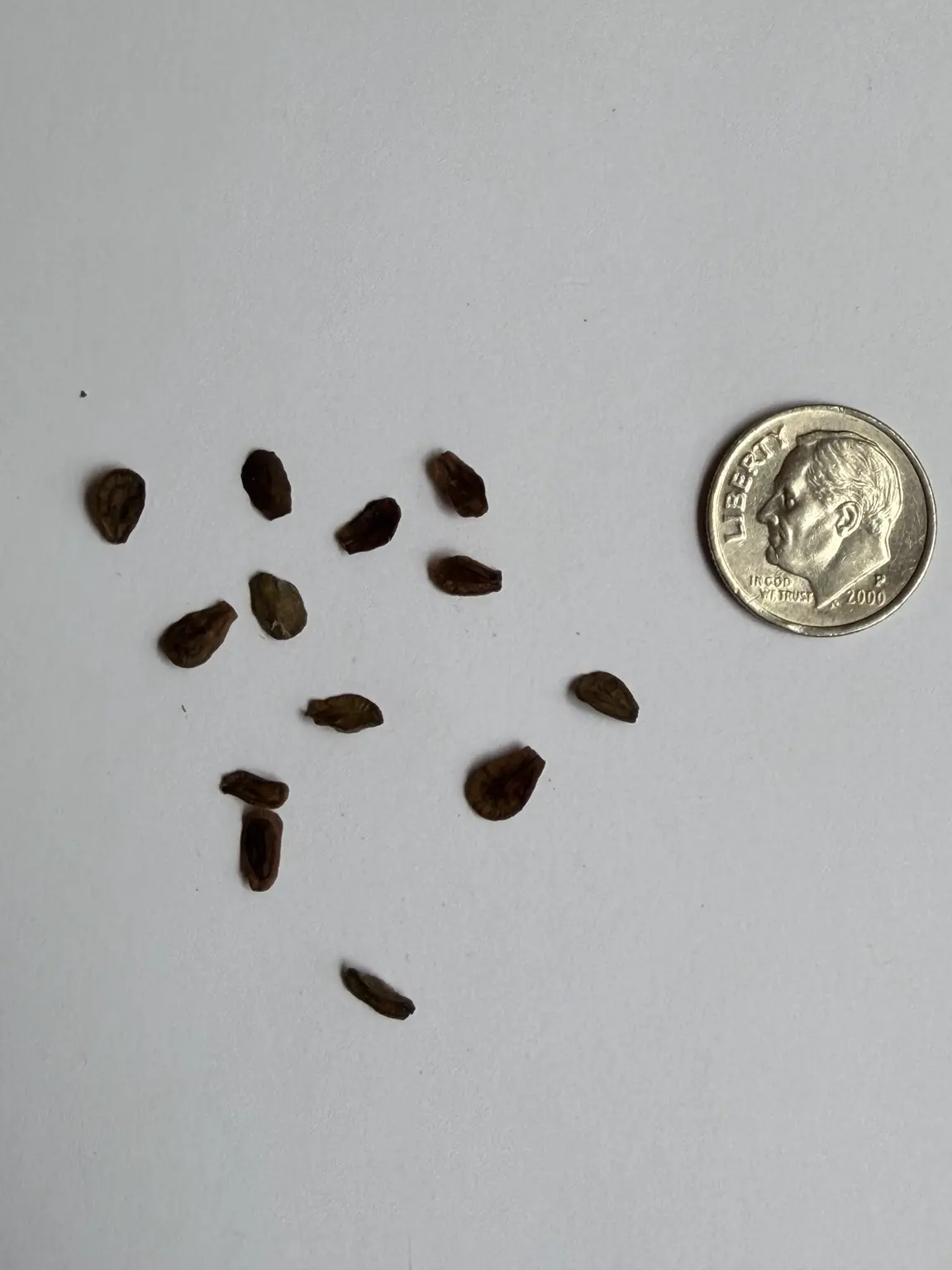
These seeds came from plants growing in my garden. Seedlings are individuals, so they may not look exactly like the parent plant—and that is part of growing from seed.
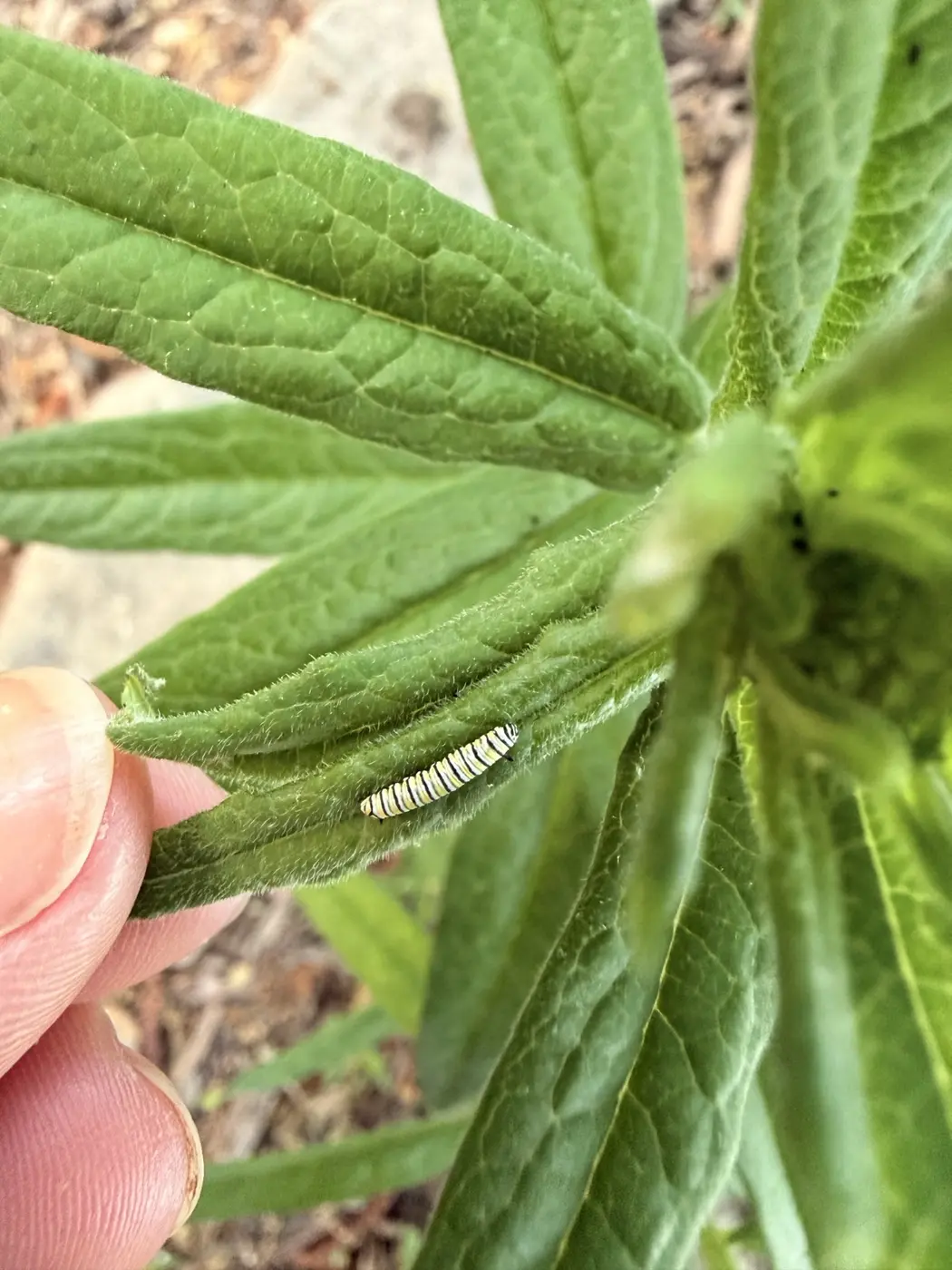
A note from my garden“Finding a monarch caterpillar on a plant I grew never gets old. A few chewed leaves are exactly what success looks like here.”